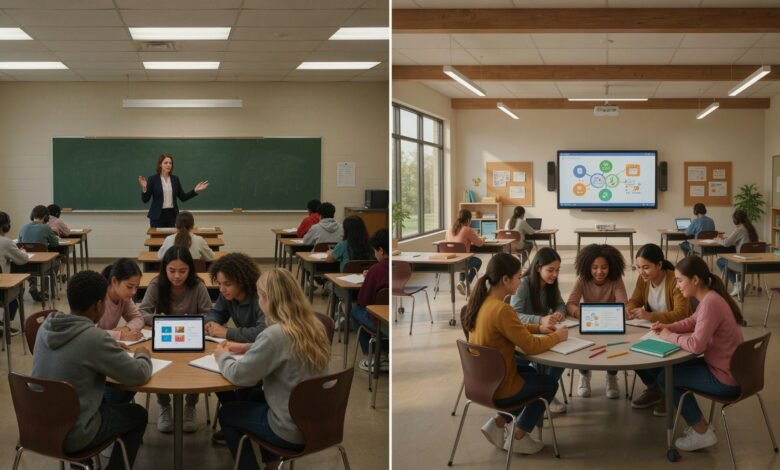
Walking into a traditional classroom often feels predictable. Rows of desks face the front. The teacher talks. Students listen, take notes, and hope they stay engaged until the bell rings. Many educators and students know this setup has limits. Attention drifts. Some kids race ahead while others lag behind. Feedback comes too late. That is where the idea of classroom 15x steps in as a practical response. It reimagines the learning environment as flexible, tech-supported, and centered on real student needs rather than rigid routines.
Classroom 15x blends physical design, digital tools, and intentional teaching practices. The “15” often points toward an ideal group size around fifteen students for deeper interaction, while the “x” signals multiplication of engagement, personalization, and results. It is not a single product or fixed formula. Instead it serves as a blueprint that schools can adapt. Teachers gain more time for coaching. Students experience choice, quick feedback, and spaces that match the task at hand. Whether you are redesigning one room or thinking about broader change, understanding this approach opens clear paths forward.
Understanding the Core Ideas Behind Classroom 15x
At its heart, classroom 15x treats the room itself as an active tool for learning. Furniture moves easily. Zones appear for collaboration, quiet focus, direct instruction, and creative work. Technology sits in the background ready to support rather than dominate. Pedagogy shifts toward personalized tasks, project work, and frequent check-ins. The goal is simple yet powerful: reduce dead time and increase meaningful learning moments.
Many educators describe the model as a response to large class sizes and one-size-fits-all lessons. When a teacher can work with roughly fifteen students at a time, relationships deepen. Observations become sharper. Adjustments happen in the moment. The flexible layout lets the same room support a short lecture, then quickly shift into small-group problem solving or independent practice. This combination creates the conditions for higher engagement without requiring heroic effort every day.
Related ideas include flexible learning spaces, student-centered design, and adaptive instruction. Classroom 15x pulls these together into a coherent picture. Schools that try the approach often start small. They rearrange existing furniture, add a few mobile whiteboards, and introduce devices already in the building. Over time the space evolves as teachers and students discover what works best for their subjects and ages.
How Classroom 15x Differs from Traditional Setups
Traditional classrooms prioritize order and visibility of the teacher. Desks stay in rows. Materials live in fixed spots. The schedule follows a predictable rhythm of whole-class input followed by individual seatwork. This arrangement served earlier eras well enough, yet it struggles with today’s diverse learners and the demand for critical thinking skills.
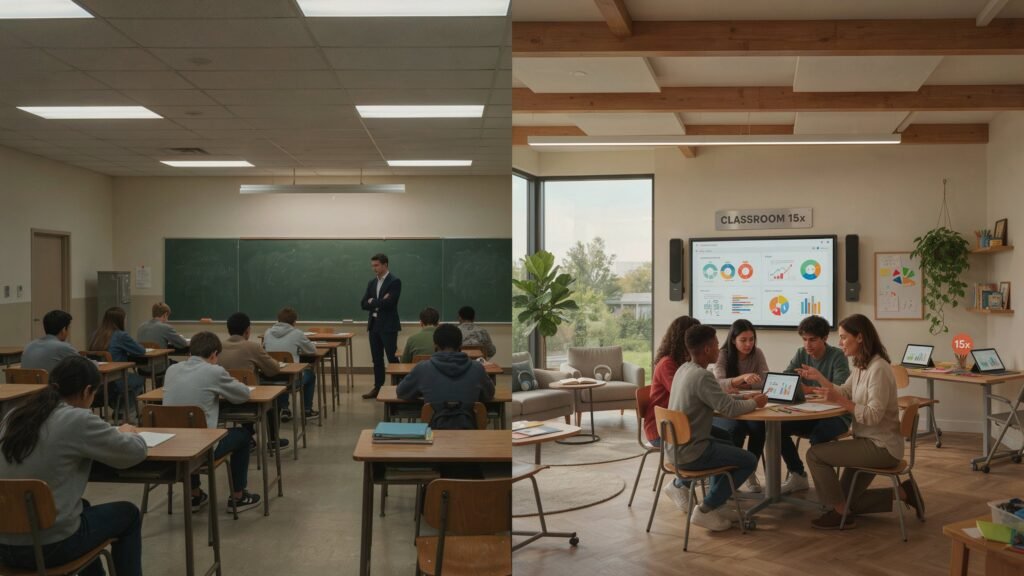
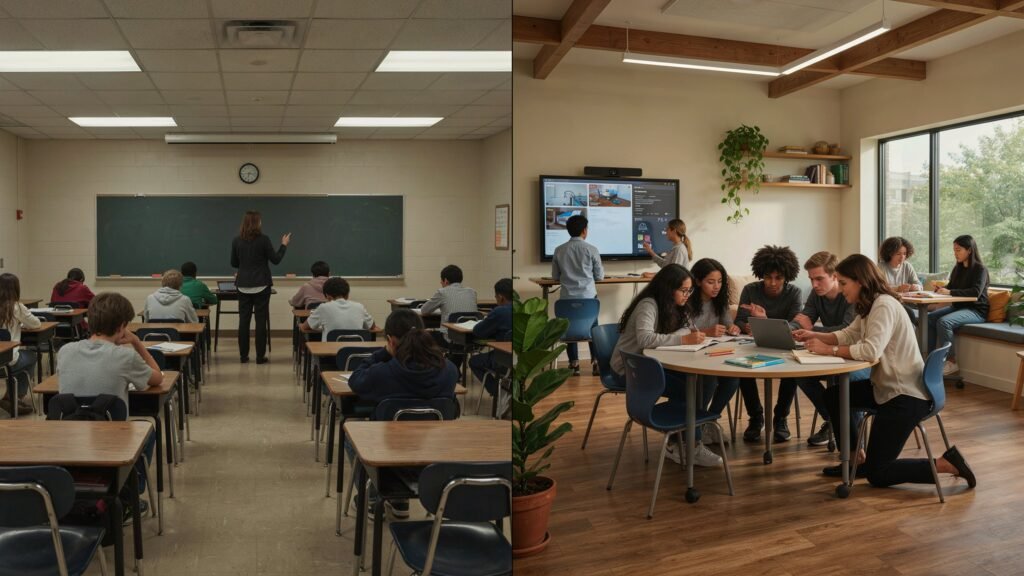
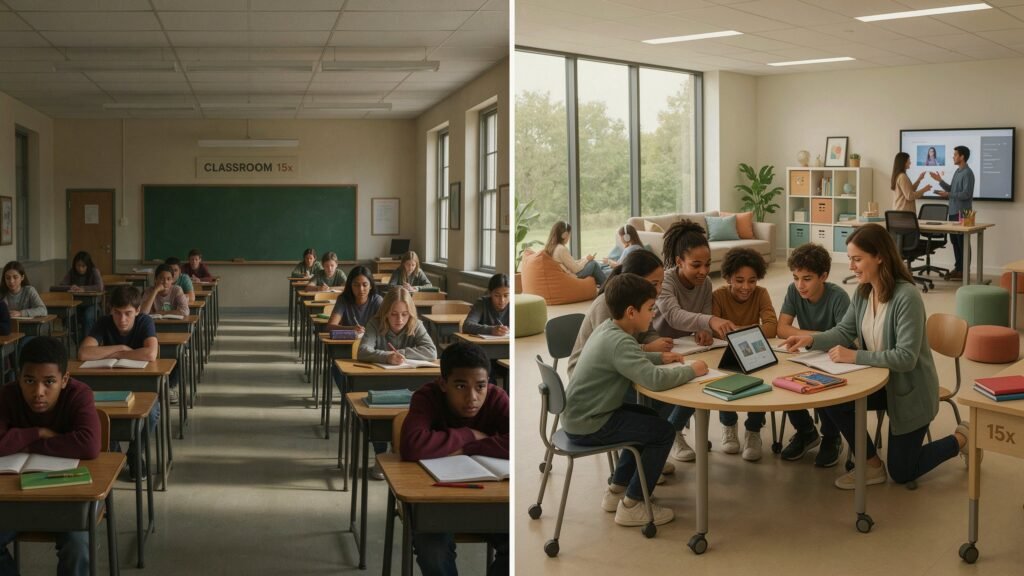
Classroom 15x flips several assumptions. Learning zones replace permanent rows. Students might begin in a circle for discussion, move to cluster tables for collaboration, and finish in a quiet nook for reflection. Technology supports differentiation so some students practice foundational skills while others extend into deeper challenges. Teachers circulate more and lecture less. The result feels less like a lecture hall and more like a workshop or studio.
One practical difference appears in the daily flow. In a conventional room a teacher might spend significant time managing transitions or repeating instructions. In a well-run classroom 15x environment, clear zone signals and student routines shorten those moments. Learners know where to go for different kinds of work. The physical setup itself communicates expectations. Over weeks this builds independence and frees teacher attention for the students who need it most.
Key Physical Features of an Effective Classroom 15x
The physical layout forms the foundation. Movable desks and chairs allow rapid reconfiguration. Lightweight tables on casters let groups form and dissolve in under a minute. Soft seating or standing desks give options for different energy levels and body needs. Storage stays accessible yet out of the way so the floor plan remains open.
Zones receive intentional design. A collaboration area might feature round tables and shared screens. A focus zone uses quieter materials and limited visual distraction. A presentation or “campfire” space holds the interactive display and enough seating for the full group. A maker or media corner holds supplies or devices for hands-on or recorded work. Clear visual cues such as colored rugs, lighting differences, or simple signs help students navigate without constant direction.
Lighting, acoustics, and air quality matter more than many realize. Natural light where possible, adjustable task lighting, and sound-absorbing panels reduce fatigue. Plants or calming colors support wellbeing. These details turn a functional room into a place where students want to spend time and can sustain attention longer.
Technology Integration That Supports Rather Than Distracts
Technology in classroom 15x serves clear instructional purposes. Interactive displays replace or augment traditional boards. Student devices—tablets or laptops—enable personalized practice, research, and creation. A simple learning management system or dashboard gives teachers real-time insight into progress. Wireless connectivity and charging stations keep devices ready without cord clutter.
The best implementations avoid the trap of tech for tech’s sake. A short video or simulation appears only when it clarifies a concept better than a conversation. Adaptive software lets students practice at the right level of challenge and gives teachers data they can act on the same day. Collaborative tools support shared documents or virtual whiteboards so groups can work together even when seats face different directions.
Teachers still lead. The technology amplifies their ability to differentiate and respond. Students learn digital citizenship alongside content because devices are everyday tools rather than special events. When used thoughtfully, the digital layer multiplies the impact of the flexible physical space.
The Role of Pedagogy and Teaching Practices
Physical and digital tools only succeed when paired with intentional teaching. Classroom 15x favors frequent formative checks over infrequent high-stakes tests. Teachers pose questions, observe, and adjust within the same period. Project-based and inquiry tasks sit alongside direct instruction so students practice applying knowledge.
Small-group structures become natural. A teacher might pull a cluster of four or five students for targeted support while others work independently or in pairs. Choice boards or learning menus let students select pathways that match their readiness or interest. Reflection routines—brief written or spoken exits—help learners notice their own growth and next steps.
This style asks more of teachers initially. Planning for multiple pathways takes practice. Classroom management shifts from controlling movement to coaching productive use of space and tools. Professional learning communities and coaching support the transition. Schools that invest in ongoing support see stronger results than those that rearrange furniture and stop there.
Benefits for Students in a Classroom 15x Environment
Students often report feeling more seen and capable. With smaller effective group sizes and flexible seating, quieter learners find their voices and energetic students channel focus. Personalized pacing reduces boredom and frustration. Quick feedback loops help them correct misconceptions before they solidify.
Engagement rises because the environment matches the activity. Collaborative projects feel natural around cluster tables. Deep reading or problem solving happens more readily in a quieter zone. Technology offers interactive practice that feels closer to games than worksheets while still building skill. Over time many students develop stronger self-regulation and agency.
Social-emotional gains appear as well. Students practice collaboration, respectful disagreement, and self-advocacy in a space designed for interaction. They learn that different tasks call for different environments and behaviors. These habits transfer beyond the classroom walls.
Advantages for Teachers and School Leaders
Teachers gain clearer windows into student thinking. Circulating among zones and reviewing real-time data lets them intervene earlier. The ability to reconfigure space quickly supports varied lesson designs without feeling constrained by fixed furniture. Many report higher professional satisfaction once the initial learning curve passes.
Leaders appreciate the model’s scalability. A single classroom pilot can demonstrate impact before wider investment. Furniture and technology choices often build on existing resources rather than requiring complete replacement. Data from improved engagement and achievement help justify further support. The approach also aligns with many current standards around personalized learning and 21st-century skills.
Families notice differences too. Students talk more about what they did and discovered rather than simply what the teacher said. Conferences become richer because teachers know individual strengths and next steps more precisely.
Practical Steps to Begin Implementing Classroom 15x
Start with observation and conversation. Visit rooms already using flexible setups if possible. Talk with teachers and students about current pain points. Identify one or two high-impact changes rather than attempting everything at once. Perhaps begin by adding casters to existing desks and defining two simple zones.
Next address routines. Teach students how to move furniture safely and return spaces to a neutral setup. Establish signals for different activities. Practice transitions until they feel smooth. Introduce technology features gradually so both teachers and students build confidence.
Professional development should be job-embedded. Coaching cycles, peer observation, and collaborative planning time prove more effective than one-off workshops. Celebrate small wins publicly. Collect simple feedback from students and adjust. Over a semester the culture of the room begins to shift.
Budget considerations vary widely. Low-cost starts use existing furniture plus inexpensive dividers or rugs. Mid-range investments add mobile boards, better seating options, and reliable devices. Larger projects might include acoustic treatment or specialized maker equipment. Prioritize changes that directly support instructional goals.
Common Challenges and Realistic Solutions
Resistance to change surfaces quickly. Some teachers feel attached to familiar arrangements. Address this by starting with volunteers and sharing early evidence of reduced management load or higher student engagement. Provide release time for planning and visiting peer classrooms.
Space constraints appear in older buildings. Creative solutions include hallway overflow areas used under supervision, shared flexible rooms, or simply maximizing the existing footprint with better furniture placement. Noise levels can rise during collaborative work; acoustic panels, headphones, and clear expectations help.
Technology reliability matters. Plan for offline alternatives and clear troubleshooting protocols. Device management and charging routines prevent last-minute chaos. Equity concerns require attention so every student has access to needed tools both in school and, when relevant, at home.
Sustainability of the model depends on ongoing support. Leadership must protect collaborative planning time and continue professional learning. New teachers need induction into the culture of the spaces. Periodic reviews keep the environment responsive as curricula and student needs evolve.
Classroom 15x and the Question of Unblocked Games
Search interest in classroom 15x sometimes leads to browser-based game sites marketed as school-friendly or unblocked. These platforms host short HTML5 games that load without downloads and often bypass basic filters. Students use them for quick mental breaks or free time. Educators should approach such sites carefully. School policies, content appropriateness, data privacy, and instructional value all require review. Games can support brief brain breaks or specific skill practice when curated, yet they are not the core of the classroom 15x learning model described here. Responsible digital citizenship education remains essential whenever students access online content.
Measuring Success in a Classroom 15x Setting
Success looks different across contexts, yet several indicators recur. Engagement measures—time on task, participation rates, student self-reports—often rise. Formative assessment data show faster identification of misconceptions. Summative results in some subjects improve as personalization increases. Teacher retention and satisfaction surveys provide another window. Qualitative evidence from student work and classroom observations rounds out the picture.
Simple tools help. Exit tickets, observation protocols, and basic analytics from learning platforms generate useful information without heavy administrative burden. Sharing results with the school community builds momentum and surfaces needed adjustments.
Looking Ahead: The Evolving Future of Classroom 15x
The principles behind classroom 15x will continue adapting as technology and research advance. Artificial intelligence may offer even more precise personalization and teacher support. Hybrid and remote elements will integrate more seamlessly into flexible physical spaces. Attention to wellbeing, inclusion, and sustainability will shape design choices. The constant remains student-centered purpose. Rooms, tools, and practices exist to help learners grow, not the other way around.
Schools that treat classroom 15x as an ongoing inquiry rather than a finished product position themselves well. They listen to students and teachers, test ideas, keep what works, and refine the rest. In doing so they create environments where curiosity thrives and every learner has a genuine chance to succeed.
“The best classroom is not the one with the most expensive gadgets. It is the one where every student feels known, challenged, and capable of contributing.”
— Experienced instructional coach reflecting on flexible learning environments
“When the room itself teaches students how to collaborate, focus, and take ownership, the teacher’s energy multiplies.”
— School principal describing the shift after redesigning several spaces
| Aspect | Traditional Classroom | Classroom 15x Approach |
|---|---|---|
| Seating Arrangement | Fixed rows facing front | Modular zones with movable furniture |
| Group Size Focus | Often 25–35 students | Effective small groups around 15 |
| Technology Role | Occasional or supplemental | Integrated for personalization and feedback |
| Teacher Activity | Primarily whole-class delivery | Coaching, circulating, targeted support |
| Student Agency | Limited choice | Pathways, zone selection, reflection |
| Feedback Timing | Delayed (after quizzes or tests) | Frequent and formative within the lesson |
| Transition Time | Often lengthy | Streamlined by clear routines and design |
| Engagement Potential | Variable, can decline over time | Higher sustained engagement through variety |
Frequently Asked Questions
What exactly is classroom 15x?
Classroom 15x refers to a modern educational model that combines flexible physical layouts, supportive technology, and student-centered teaching practices. It often targets smaller effective group sizes near fifteen students and aims to multiply engagement and learning outcomes. The term also appears in searches for certain browser game sites, yet the educational design meaning remains the primary focus for schools seeking lasting improvement.
How many students work best in a classroom 15x setup?
Many practitioners find groups around fifteen students ideal for the core instructional periods because the size balances personal attention with productive peer interaction. Larger classes can still use the model by creating rotating small groups and independent work structures. The exact number matters less than the ability of the teacher to know and respond to individual learners.
Does classroom 15x require a large budget?
No. Meaningful progress can begin with low-cost changes such as rearranging existing furniture, adding simple zone markers, and clarifying routines. Technology already present in many schools can be leveraged more intentionally. Larger investments in specialized furniture or advanced tools can come later once the instructional culture supports them.
Can older school buildings support classroom 15x?
Yes. Creative furniture placement, mobile storage, acoustic treatments, and thoughtful use of adjacent spaces often overcome architectural limitations. The model prioritizes adaptability over perfect architecture. Many successful examples exist in buildings decades old.
How does classroom 15x handle students with different learning needs?
The flexible zones and personalized pathways naturally support differentiation. Quiet areas help students who need reduced stimulation. Collaborative zones benefit those who thrive with peers. Technology can provide accessible formats and adaptive practice. Teachers gain more time for targeted support because management demands decrease and data arrives faster.
Is classroom 15x only for certain grade levels or subjects?
The principles adapt across elementary, middle, and high school as well as varied subjects. Younger students may need more structured zone guidance. Secondary classrooms often emphasize project zones and independent research areas. Science rooms might expand maker spaces while language arts rooms prioritize discussion and writing nooks. The core ideas remain consistent.
Conclusion
Classroom 15x offers a hopeful and practical path for educators who sense that traditional arrangements no longer fully serve today’s learners. By treating the physical space, technology, and teaching methods as interconnected tools, schools can create environments where students stay engaged longer, receive timely support, and develop greater ownership of their learning. The approach does not demand perfection on day one. It rewards thoughtful experimentation, clear routines, and a genuine commitment to knowing each student.
Teachers who adopt elements of classroom 15x often discover renewed energy. Students experience classrooms that feel more responsive and human. Leaders gain a concrete framework for improving teaching and learning without chasing every new trend. The work requires patience and collaboration, yet the potential payoff—more joyful, effective learning for more students—makes the effort worthwhile. Start where you are, use what you have, and keep refining. The classroom that multiplies possibility is within reach.

