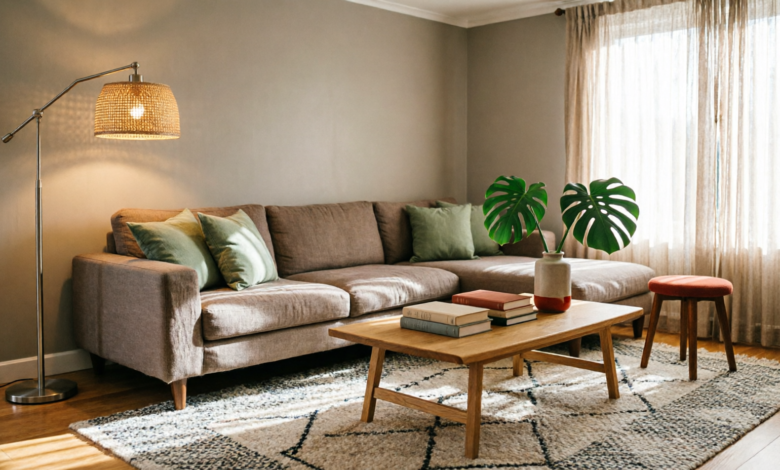
Imagine walking into a space that instantly calms your mind, supports your daily routines, and still looks pulled-together without trying too hard. That is the heart of drhomey interior design. It skips the stiff, magazine-perfect looks that fall apart the moment real life kicks in. Instead, it builds rooms around how people actually live—kids, pets, work-from-home days, late-night snacks and all.
This approach treats your home like a trusted friend rather than a showroom. Comfort sits front and center, but style never gets left behind. Color choices feel intentional, furniture placement makes sense, and every corner has a purpose. Whether you rent a small apartment or own a sprawling house, the same friendly principles apply. You do not need a huge budget or a design degree. You just need a clear way of thinking about space, light, and the things that make you feel at ease.
Over the next several sections we will walk through the core ideas, practical room strategies, common pitfalls, and easy upgrades that keep everything feeling fresh. You will leave with a toolkit you can start using this weekend. Ready to create a place that works as hard as you do and still feels like home?
Understanding the Core Philosophy Behind Functional Comfort
At its simplest, this style of home styling puts real human needs first. Designers and everyday homeowners who follow these ideas ask one question before anything else: how will people use this room every single day? The answer shapes furniture size, traffic paths, storage spots, and even the height of shelves. Beauty still matters, yet it never overrides usability.
Think of your living room on a typical Tuesday evening. Someone is watching TV, another person is scrolling on the sofa, and maybe a laptop is open on the coffee table. A rigid layout with everything facing one wall often fails here. Flexible seating, soft lighting layers, and surfaces that can handle a quick meal or a work session succeed. That balance is what sets this practical method apart from pure trend-chasing.
Texture and warmth play starring roles too. Soft throws, natural wood, and fabrics that invite touch stop a space from feeling cold or sterile. Even in modern settings, a few lived-in elements keep the room from looking like a furniture catalog. The result is a home that photographs well but, more importantly, feels good to live in day after day.
Why Thoughtful Space Planning Changes Everything
Space planning sounds technical, yet it is really just common sense dressed up. Measure the room once. Note windows, doors, outlets, and the paths people naturally walk. Then place the biggest pieces first—sofas, beds, dining tables—so they support conversation or rest without blocking movement. Leave enough room to walk past furniture without turning sideways. Three feet of clear pathway is a solid rule of thumb in most homes.
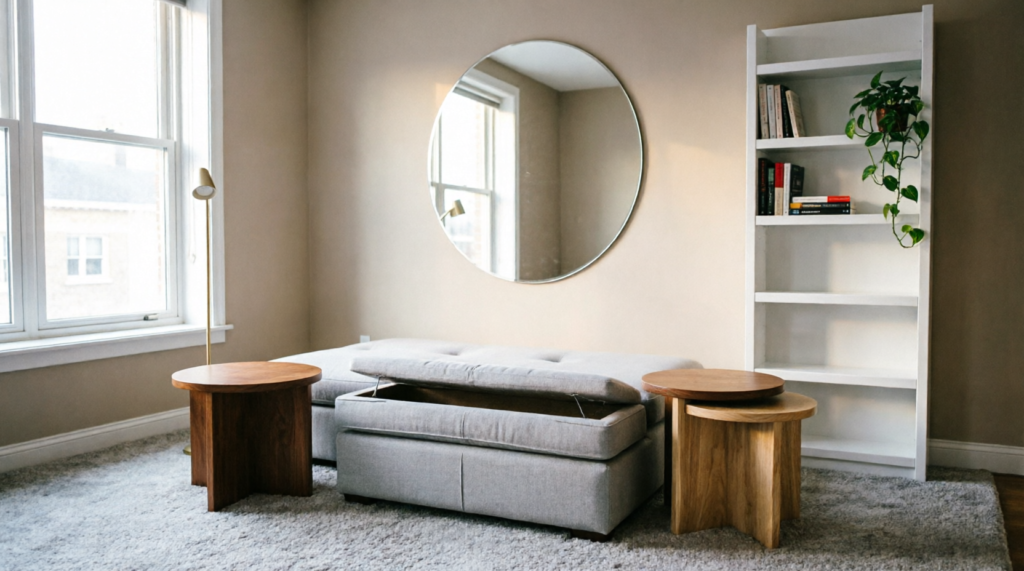
Small rooms benefit hugely from this mindset. Instead of cramming in oversized pieces that make the space feel tighter, choose multi-functional items. An ottoman that stores blankets, a desk that folds away, or nesting tables that expand when guests arrive all earn their keep. Vertical storage—tall bookshelves, wall-mounted cabinets—frees floor space and draws the eye upward, making ceilings feel higher.
Large rooms need careful planning too. Without it they can feel empty or echoey. Create zones with rugs, lighting, and furniture groupings. A reading nook in one corner, a conversation area in the center, and a quiet work spot near the window give the space purpose. When every square foot serves a real activity, the room feels intentional rather than cavernous.
Mastering Color Without Overwhelm Using Simple Ratios
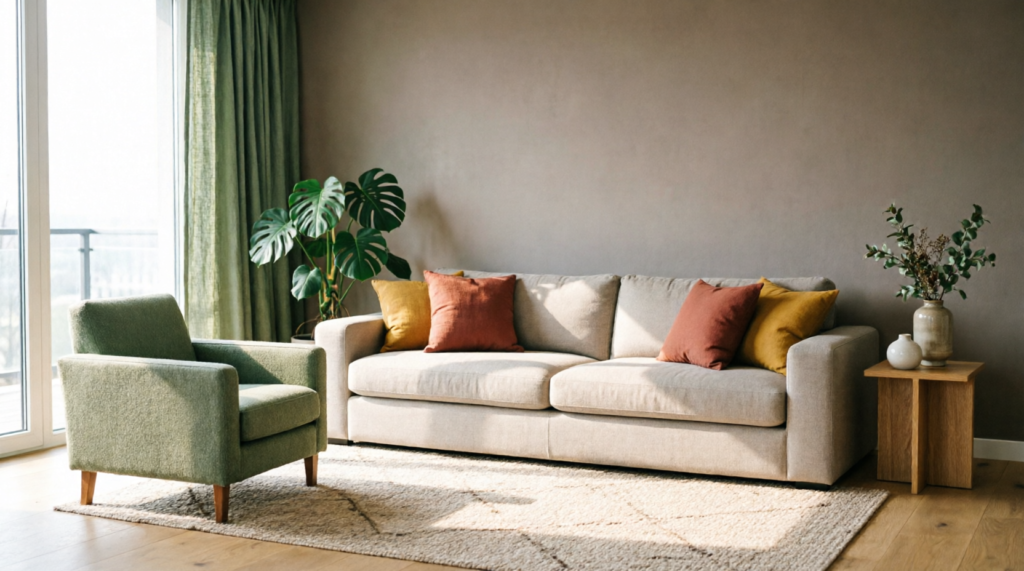
Color can make or break the mood of a room, yet many people freeze when facing the paint aisle. A reliable framework keeps decisions calm. Aim for roughly sixty percent of the visual space in a dominant neutral or soft tone—walls, large rugs, or the main sofa. Thirty percent goes to a secondary color that adds interest, perhaps through curtains, an accent chair, or a feature wall. The final ten percent brings energy with pillows, art, or small accessories in a bolder shade.
This ratio creates balance without looking matchy-matchy. A living room might use warm greige on the walls and a large sectional, soft sage on the curtains and side chairs, then touches of terracotta or mustard in the cushions and a vase. The eye moves comfortably around the room instead of landing on one overpowering element.
Lighting dramatically changes how color reads. North-facing rooms often feel cooler, so warmer undertones in paint help. South-facing spaces already bring warmth, so cooler grays or soft blues can balance them. Always test large paint samples on the actual walls and look at them morning, afternoon, and evening. Screens lie; real light tells the truth.
Layering Light for Mood and Function
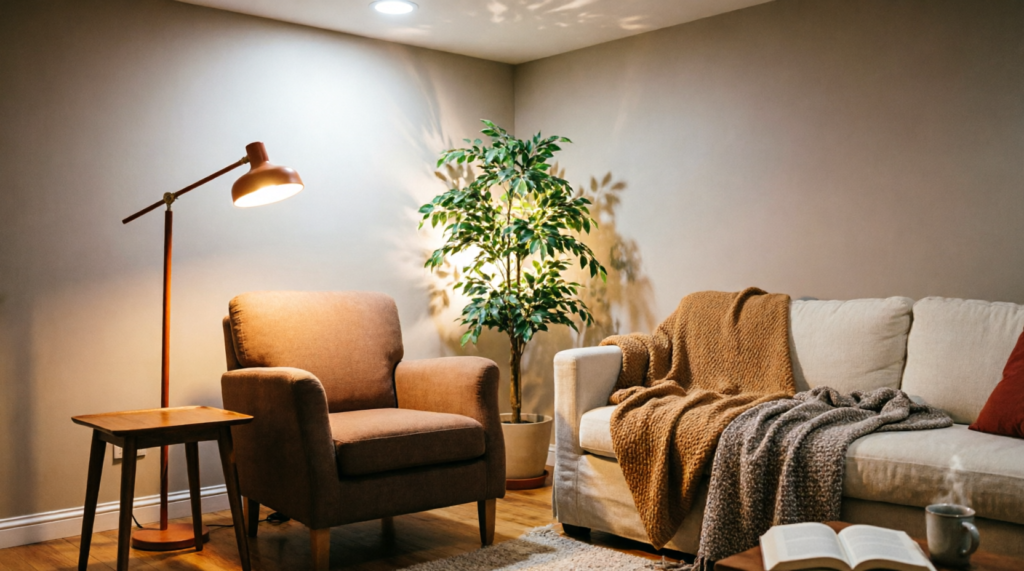
One overhead fixture rarely does a room justice. Layered lighting solves that. Ambient light provides overall brightness—ceiling fixtures or recessed lights. Task lighting focuses on specific activities: a desk lamp for work, under-cabinet lights for chopping vegetables, a reading lamp beside the favorite chair. Accent lighting adds drama and depth with picture lights, uplights behind plants, or soft glow from a floor lamp in a corner.
Dimmers become your best friends. They let the same room shift from bright and energetic in the morning to soft and relaxing at night. Natural light deserves equal respect. Keep window treatments light and operable so you can flood the space with daylight when available and close them for privacy or temperature control. Mirrors placed opposite windows bounce light deeper into the room and make the space feel larger.
In darker corners or north-facing rooms, warm-toned bulbs (around 2700K to 3000K) create coziness. Cooler bulbs work better in kitchens or offices where alertness matters. Mixing temperatures carefully avoids a clinical feel while still supporting the tasks that happen there.
Choosing Furniture That Serves Real Life
Furniture shopping often starts with looks. Better results come when you start with use. Measure the space, sketch a rough layout, and only then look for pieces that fit both the dimensions and the lifestyle. A deep sofa feels luxurious for movie nights yet can make a small living room hard to navigate. A sleek profile with good lumbar support may serve better in compact homes.
Quality construction matters more than brand names. Look for solid frames, durable fabrics or leathers that clean easily, and legs that lift the piece enough for easy vacuuming underneath. Multi-purpose items shine: a dining table that extends, a bench with storage, or a bed with drawers underneath. These choices reduce clutter and stretch the budget further.
Scale is another quiet hero. Oversized furniture in a modest room overwhelms. Tiny pieces in a large room look lost. Aim for pieces that feel proportionate and leave breathing room around them. When in doubt, leave a little extra space rather than filling every inch. Empty space is not wasted space; it is visual rest.
Bringing Personality In Without Creating Clutter
Personal items make a house feel like home, yet too many of them create visual noise. Select pieces with meaning—travel photos, kids’ art, a collection of books—and give them intentional places. Group objects in odd numbers on shelves or tables. Vary heights and textures so the arrangement feels collected rather than staged.
Art does not need to be expensive. Large-scale prints, fabric panels, or even a well-framed map can anchor a wall. Hang pieces so the center sits roughly at eye level for most people. In galleries, keep spacing consistent and leave some wall breathing room so the display does not feel crowded.
Seasonal swaps keep things fresh without constant shopping. Change throw pillows, a few accessories, or the arrangement of books every few months. Store the rest. This rotation prevents boredom while protecting the calm foundation you have built.
Room-by-Room Ideas That Actually Work
Living rooms thrive when seating faces conversation rather than only the television. A pair of chairs angled toward the sofa, a coffee table within easy reach, and soft lighting create an inviting hub. Add a large area rug that anchors the furniture grouping and softens acoustics.
Kitchens reward clear counter space and smart storage. Keep everyday items within easy reach and stow less-used pieces higher or in cabinets. Good task lighting over prep areas reduces eye strain. Open shelves for pretty dishes or glassware can lighten the feel if you keep them edited.
Bedrooms should feel like retreats. Soft textiles, blackout options for better sleep, and limited electronics support rest. A small seating area or reading nook, if space allows, adds another layer of comfort. Keep surfaces mostly clear so the mind can settle easily.
Bathrooms benefit from good organization and soft lighting. Storage for toiletries reduces counter clutter. A plant or two, if humidity allows, brings life. Simple upgrades like new hardware or a fresh shower curtain deliver big visual returns for little cost.
Smart Storage Solutions That Stay Invisible
Clutter is the enemy of calm. Effective storage hides the mess while keeping necessary items accessible. Entryway drop zones—hooks for coats, a tray for keys, a basket for shoes—prevent the daily avalanche. Kitchen zones group items by task so cooking flows smoothly.
Vertical solutions and under-furniture storage reclaim space that usually goes unused. Label containers so everyone in the household knows where things belong. The goal is not perfection; it is systems that are easy enough to maintain on busy days.
Regular editing sessions keep storage from overflowing. Once a season, go through drawers and closets. Donate, recycle, or discard what no longer serves. A lighter load makes the remaining belongings feel more valuable and easier to enjoy.
Budget-Friendly Upgrades That Deliver Big Impact
You do not need a full renovation to transform a space. Paint remains one of the highest-return changes. A fresh wall color, or even just an accent wall, shifts the entire mood. New hardware on cabinets or doors costs little yet looks intentional.
Lighting swaps make dramatic differences. Replace dated fixtures with simpler, warmer options. Add plug-in sconces or floor lamps where hardwiring is not practical. Textiles—new curtains, a better rug, fresh bedding—soften hard edges and add color or pattern without permanence.
Thrifted or secondhand finds often bring character that new pieces lack. A solid wood table with a few scars tells a story. Reupholstering a sturdy chair can cost less than buying new while giving you exactly the fabric you want. Patience and a clear vision turn limited funds into thoughtful results.
Common Mistakes and How to Sidestep Them
Pushing all furniture against the walls is a frequent habit that actually makes rooms feel smaller and less inviting. Pulling pieces a few inches or creating floating groupings improves flow and conversation. Another common error is buying everything at once from the same store. Spaces feel more layered and personal when pieces come from different sources and eras.
Ignoring scale between furniture and the room leads to awkward proportions. Measure twice, buy once. Over-accessorizing creates visual fatigue; under-accessorizing can leave a room feeling unfinished. Aim for a few strong statements rather than dozens of small ones.
Lighting that is purely functional or purely decorative falls short. Combining both creates flexibility. Finally, designing only for how the space looks in photos rather than how it feels in daily use leads to frustration. Live in the room mentally before finalizing choices.
Quotes That Capture the Spirit of Thoughtful Design
“A house is made of walls and beams; a home is built with love and dreams.” This simple reminder keeps priorities straight when decisions feel overwhelming.
Another favorite observation from experienced designers notes that the best rooms are the ones people actually use. Empty formal living rooms that stay closed off rarely deliver joy. Spaces that invite people in and support their real activities create lasting satisfaction.
A practical designer once said the most expensive item in any room is the one that does not work for the people who live there. Function first, beauty close behind, and everything else falls into place more easily.
A Helpful Comparison of Design Approaches
| Approach | Focus | Best For | Potential Drawback |
|---|---|---|---|
| Pure Trend-Driven | Current looks and Instagram appeal | Short-term visual impact | Can feel dated quickly and less comfortable |
| Strict Minimalism | Extreme simplicity and empty surfaces | People who thrive with very little | May feel cold or incomplete for families |
| Drhomey-inspired Practical Style | Comfort, function, and balanced beauty | Everyday living across budgets and home sizes | Requires thoughtful planning rather than impulse buys |
| Maximalist Layering | Bold color, pattern, and collected objects | Personal expression and character | Risk of visual overwhelm without careful editing |
This table highlights why a balanced, lived-in method often serves more households better over the long term. It adapts rather than demands perfection.
Seasonal Refreshes and Long-Term Maintenance
Homes evolve with the seasons and with the people inside them. Lightweight throws and brighter accents lift winter rooms. Lighter fabrics and open windows welcome summer. These small shifts cost little yet keep the space feeling current.
Maintenance protects your investment. Regular dusting, vacuuming under furniture, and checking for wear on high-use pieces extend the life of everything. Address small repairs quickly so they do not grow into bigger projects. A well-cared-for home stays more enjoyable and holds value better.
As needs change—new remote work setups, growing children, aging parents—revisit the layout. The same principles that guided the original design help you adapt without starting from scratch. Flexibility is built into the approach.
Integrating Outdoor and Indoor Living
Many homes benefit from stronger connections between inside and outside. Large windows, consistent flooring materials that continue outdoors, or simply coordinating color palettes create flow. Even a small balcony or patio can become an extension of living space with a comfortable chair, a plant or two, and soft evening lighting.
Exterior choices influence how the interior feels. Clean lines outside often pair well with calm interiors. Warm materials on the facade can echo natural textures indoors. Thinking of the whole property as one design story produces more cohesive results.
The Role of Sustainability in Everyday Choices
Choosing durable pieces that last longer reduces waste. Natural materials that age gracefully—wood, stone, linen, wool—often feel better under hand and improve with time. Energy-efficient lighting and thoughtful window treatments lower utility costs while supporting comfort.
Secondhand shopping and careful editing of belongings keep more items in use and out of landfills. These choices align easily with a practical design mindset because they prioritize value and longevity over constant replacement.
Building Confidence as You Design
Many people feel intimidated by design decisions. Start small. One room, one wall, one corner. Success builds momentum and teaches you what works in your specific space and light. Take photos of arrangements you like and of ones that feel off. Reviewing them later sharpens your eye.
Trust your daily experience. If a chair is never used, move it or replace it. If a color makes you feel restless, change it. Your home exists for you, not for anyone else’s approval. The more you practice noticing what feels right, the more natural the process becomes.
FAQ
What exactly is drhomey interior design and how does it differ from regular decorating?
Drhomey interior design is a practical philosophy that prioritizes comfort, function, and balanced beauty for real daily life. Unlike pure decorating that may focus mainly on visual impact or current trends, this approach starts with how people actually use each room. Layouts support movement and activity, storage reduces stress, and materials invite touch and longevity. The result feels personal and usable rather than staged.
Can I apply these ideas in a small apartment on a tight budget?
Absolutely. The principles scale beautifully to compact spaces. Focus on multi-functional furniture, vertical storage, light colors to expand the sense of space, and careful editing of belongings. Paint, lighting swaps, and textile updates deliver strong results without major spending. Measuring carefully and prioritizing the most-used areas first stretches limited funds further.
How often should I update my home using this style of thinking?
Major overhauls are rarely needed. Small seasonal refreshes—new pillows, rearranged accessories, a plant or two—keep rooms feeling alive. Revisit layouts when life circumstances change, such as working from home more or welcoming a new family member. Consistent maintenance and occasional editing prevent the need for large, stressful projects.
Does this approach work with different design styles like modern, traditional, or farmhouse?
Yes. The underlying focus on function, comfort, and balance adapts to many aesthetics. A modern space might emphasize clean lines and neutral tones while still including soft textiles and good storage. A traditional room can keep classic furniture shapes but improve traffic flow and lighting layers. The method supports the style you love rather than forcing one look.
Where should I start if my whole home feels overwhelming right now?
Begin with the room you use most or the one that bothers you most when you walk in. Clear surfaces, improve the lighting, and adjust the largest furniture pieces for better flow. Success in one space builds confidence and creates momentum for the next. Keep the process gradual so it stays enjoyable rather than exhausting.
Wrapping Up Your Journey Toward a Better Home
Creating a space that supports your life while still looking considered does not require perfection or endless resources. It asks for attention to how you move through your days, a willingness to measure and plan a little, and the courage to choose comfort alongside beauty. The ideas explored here—from color ratios and layered lighting to thoughtful storage and personal touches—give you a flexible framework that grows with you.
Return to these principles whenever a room starts feeling off or when a new season arrives. Small, consistent improvements compound into a home that feels uniquely yours. Whether you are refreshing a single corner or rethinking an entire floor plan, the same friendly logic applies. Your home can be both beautiful and deeply livable. Start where you are, use what you have, and build from there. The result will be a place you are genuinely happy to come home to every day.