The Complete Guide to Asa Danes: History, Design, and Lasting Impact of the Legendary Battle Axe

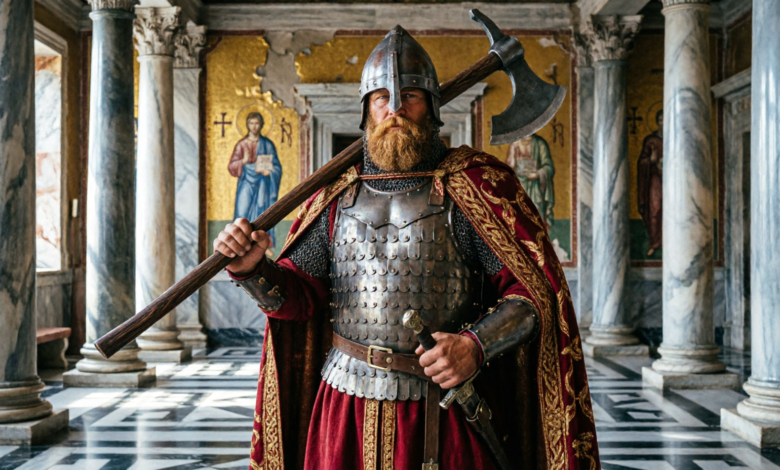
Few weapons from the medieval world capture the imagination quite like the formidable two-handed battle axe known in various historical records and modern discussions as asa danes. This powerful tool of war emerged during a turbulent era of raids, conquests, and shifting alliances across Northern Europe and beyond. Warriors valued it not only for its sheer destructive capability but also for the psychological edge it provided on the battlefield. Today, enthusiasts of military history, reenactment groups, and collectors continue to study and recreate versions of this iconic piece of equipment. Understanding asa danes offers a window into the tactics, craftsmanship, and culture of the people who relied on it during some of the most pivotal moments of the early Middle Ages.
The name itself carries layers of meaning tied to the Scandinavian warriors often labeled as Danes by their contemporaries in England and elsewhere. Chroniclers of the period frequently associated large, long-hafted axes with these northern fighters, and the term stuck even as the weapon spread far beyond its likely points of origin. In Italian sources it appears as ascia danese, while English texts refer to it as the Dane axe, long axe, or English long axe. Regardless of the label, the core concept remains consistent: a specialized fighting axe built for two-handed use, featuring a broad, relatively thin blade mounted on an extended wooden shaft. This design allowed for sweeping cuts capable of cleaving through shields, armor, and even the legs of horses. Its presence on the Bayeux Tapestry and in Byzantine accounts underscores how widely recognized and feared it became.
What makes asa danes particularly fascinating is how it evolved from everyday woodworking tools into a dedicated instrument of elite combat. Early Viking Age axes often served dual purposes, but by the late tenth century specialized forms had taken shape that prioritized speed, reach, and cutting efficiency over brute chopping power against timber. Blacksmiths forged these heads with remarkable skill, balancing weight so the weapon remained agile despite its length. The result was a tool that elite household troops and professional mercenaries could wield with devastating effect while still maintaining mobility in the dense formations of the era.
Origins and Historical Development of Asa Danes
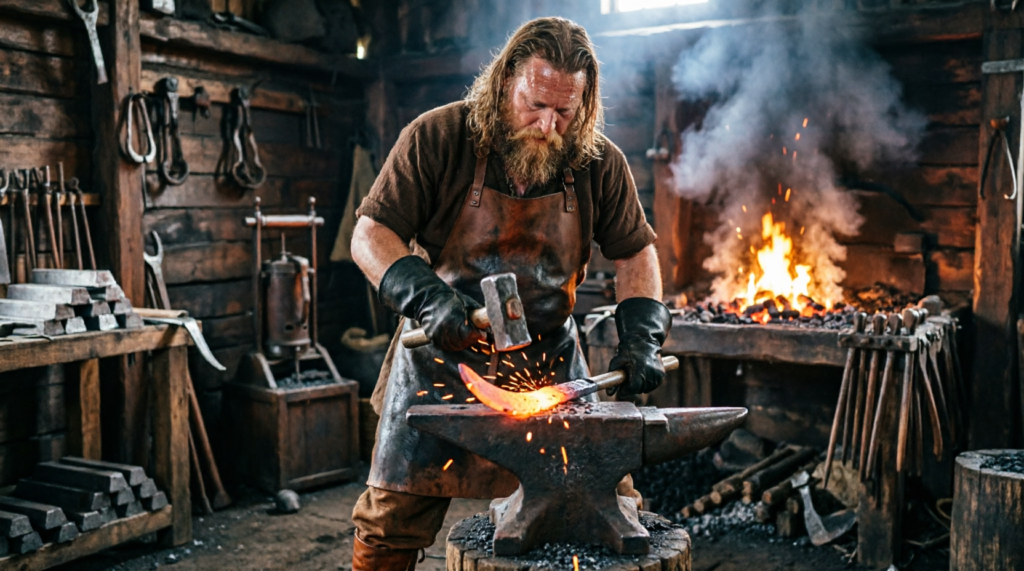
The roots of asa danes stretch back into the later stages of the Viking Age, roughly the tenth and eleventh centuries, when Scandinavian influence extended across large parts of Europe. Archaeological finds and contemporary illustrations show that large two-handed axes gained prominence as warfare grew more organized and protective equipment improved. Earlier axes tended to be shorter and better suited for one-handed use alongside a shield. As shield walls became more sophisticated and cavalry played a greater role in some regions, the need for a weapon with greater reach and leverage became clear. Craftsmen responded by lengthening the haft and refining the blade shape to maximize cutting performance.
By around 950 AD, distinctive forms classified by modern scholars under the Petersen typology as types L and M had become widespread. These heads featured wide, thin blades with pronounced horns at the toe and heel of the cutting edge. Type L examples often show a more asymmetric profile with the upper horn swept forward, while type M versions tend toward greater symmetry and overall size. Both shared the key trait of being forged thin enough that the metal near the edge measured only a couple of millimeters in thickness. This construction kept the head light—typically between one and two kilograms—while still delivering formidable energy on impact. Higher-carbon steel was frequently welded onto the cutting edge to create a harder, sharper bit that could hold its edge through repeated use.
The weapon’s association with Danish warriors helped cement the name by which it is still known. English writers of the period referred to these axes as Danish in the same way they labeled many Scandinavian practices and people. Yet the design did not remain confined to Denmark or Norway. Finds and artistic depictions appear in England, Ireland, Normandy, and even as far east as the territories influenced by the Rus and the Byzantine Empire. The Varangian Guard, the elite Scandinavian and later Anglo-Saxon bodyguard serving the Byzantine emperors, famously carried long axes of this type. Murals and written accounts from Constantinople describe the imposing sight of these warriors with their tall axes resting on their shoulders.
Spread accelerated through both trade and warfare. When Danish forces under leaders such as Cnut the Great established control over England in the early eleventh century, their household troops brought the style with them. Anglo-Saxon housecarls adopted the weapon enthusiastically, and it became a signature arm of that elite infantry force. By the time of the Norman Conquest in 1066, the long axe had become thoroughly integrated into the military culture of the British Isles. The Bayeux Tapestry provides some of the clearest visual evidence, showing English warriors swinging large axes against Norman cavalry and infantry alike. One particularly dramatic scene captures the power of the weapon as it strikes both men and horses.
Construction and Design Features That Defined Asa Danes
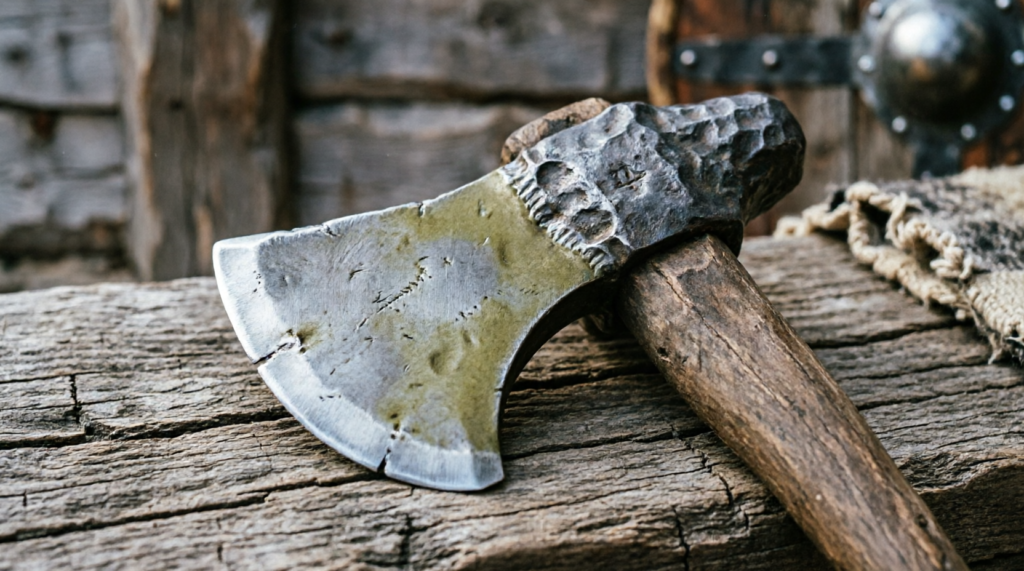
Craftsmanship distinguished asa danes from ordinary tools. The head was typically formed from wrought iron for the body and eye, with a separate high-carbon steel edge forge-welded in place. This composite approach conserved scarce high-quality steel while producing a resilient yet sharp cutting surface. The eye through which the haft passed was carefully shaped, often with small lugs or flanges that helped secure the head once the wooden shaft was driven through and wedged. Surviving examples show careful attention to balance so the finished weapon could be swung repeatedly without exhausting the user too quickly.
Shaft length varied according to purpose and personal preference, but most combat examples measured between roughly ninety centimeters and one and a half meters. Some ceremonial or especially imposing versions approached the full height of the warrior who carried them. Ash and oak ranked among the preferred woods because of their strength, flexibility, and resistance to splitting under the stresses of combat. The lower portion of the haft sometimes received a protective wrapping or metal fittings, though many practical fighting axes remained relatively plain. The overall weight stayed manageable, usually in the range of one and a half to three kilograms for a complete weapon, allowing a trained fighter to generate high speeds at the blade tip.
The blade geometry itself reveals sophisticated thinking about how the axe would interact with targets. The broad cutting edge, commonly twenty to thirty centimeters long, presented a long shearing surface rather than a concentrated point of impact. Pronounced horns at both ends of the edge could catch and pull shields or weapons, creating openings in an opponent’s defense. Some blades carried a slight forward sweep that optimized the angle of the cut when the axe was swung in a natural arc against a standing adversary. Thickness tapered dramatically toward the edge, reducing resistance as the blade sliced through material. Period sources and modern experimental archaeology both confirm that a well-made example could cut through mail, leather, and flesh with alarming efficiency and, under the right conditions, damage wooden shields or even unarmored horses.
One contemporary description captures the visual impact of these weapons in the hands of elite troops. When Earl Godwin of Wessex presented a gift of eighty warriors to the Danish king Harthacnut in 1040, each man carried a gilded Danish axe on his left shoulder along with a spear and helmet. The detail of gilding suggests that high-status versions received decorative treatment, though the majority of battlefield examples remained functional rather than ornamental. Silver inlay appears on some high-status finds, such as the famous Mammen axe from Denmark, indicating that the weapon could also serve as a status symbol.
Battlefield Role and Tactical Advantages of Asa Danes
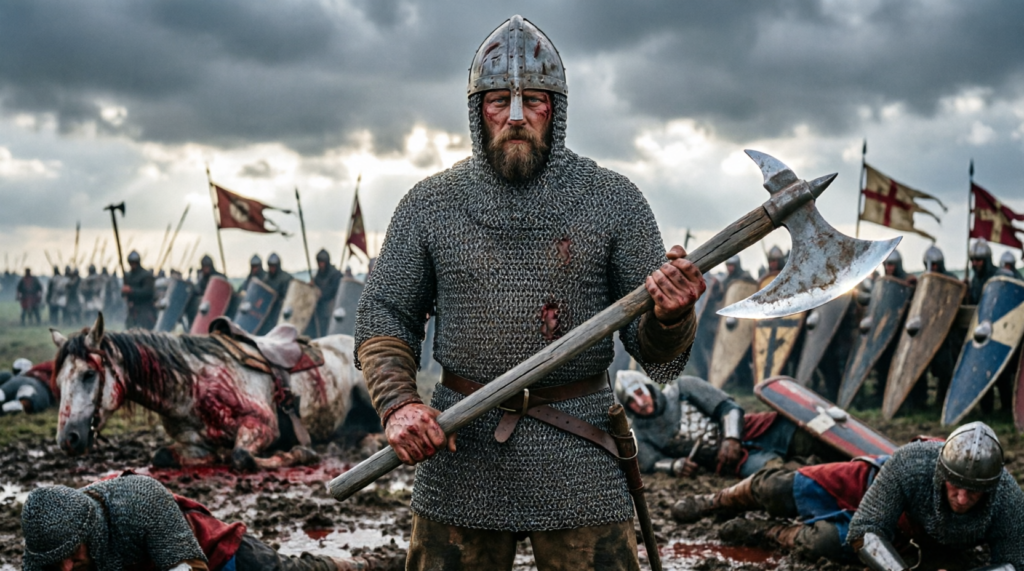
On the battlefield, asa danes excelled in several roles. In the dense formations typical of early medieval infantry combat, the long reach allowed a warrior standing in the second rank to strike over the heads of comrades in the front. Against cavalry, the sweeping cuts targeted the legs of horses, bringing riders down and disrupting charges. When fighting other infantry, the axe could hook and pull shields aside or deliver powerful overhead and diagonal blows capable of breaking bones even through protective gear. Its two-handed nature meant the user sacrificed the protection of a shield while attacking, so these axes typically appeared in the hands of well-armored professional soldiers who could rely on mail, helmets, and the mutual support of their unit.
Housecarls in Anglo-Saxon England provide the clearest example of specialized users. These professional retainers formed the core of royal and noble forces and trained extensively with the long axe. At the Battle of Hastings they stood in the shield wall on Senlac Hill, using their axes to devastating effect against Norman attacks until the line finally broke after prolonged fighting and the death of King Harold. Similar elite groups elsewhere, including the Irish gallowglass mercenaries of later centuries and the Varangian Guard, continued to value the weapon for its combination of reach and impact.
The famous stand at Stamford Bridge in 1066 offers another vivid illustration. According to later accounts, a single Norse warrior armed with a great axe held the narrow bridge against the advancing English army for a significant time, cutting down successive attackers until he was finally overcome by a spear thrust from below. While details may have grown in the telling, the story reflects the contemporary reputation of the weapon and the skill of those who mastered it. Byzantine writers similarly noted the intimidating presence of Varangian axemen, whose large blades and disciplined use made them valuable both in open battle and as palace guards.
Combat techniques likely involved a combination of powerful swings, controlled thrusts with the upper horn of the blade, and hooking motions to unbalance opponents. Because the weapon demanded two hands, users had to stay mobile and coordinate closely with shield-bearing comrades. Experimental archaeology and historical European martial arts practitioners who study period sources continue to explore possible methods, drawing on both the limited artistic evidence and analogous later treatises for staff weapons and polearms.
Spread, Famous Users, and Cultural Significance
Beyond the core Scandinavian and English contexts, asa danes traveled widely. In Ireland, later versions influenced the sparth axe carried by gallowglass warriors who served Gaelic lords. In the east, Varangians introduced the style to the Byzantine military sphere, where it remained associated with northern bodyguards for generations. Even after the classic Viking Age ended, the basic concept of a long-hafted broad axe persisted and gradually evolved. By the thirteenth and fourteenth centuries, the form had begun transforming into more specialized polearms such as the poleaxe and early halberds, which added thrusting points and reverse spikes while retaining the powerful cutting blade.
Several notable historical figures became linked with the weapon through chronicles or later tradition. King Olaf of Norway, various English and Scottish leaders, and prominent French commanders of the high Middle Ages appear in accounts wielding or associated with large axes of this general type. The visual record on the Bayeux Tapestry remains the most accessible and detailed contemporary illustration, showing both the size of the weapons and the ways fighters employed them against different targets.
Cultural memory of the axe endured long after its primary military use declined. In modern popular culture it has become almost synonymous with the image of the Viking warrior, appearing in films, games, reenactments, and literature. Museums display original heads recovered from rivers, graves, and settlement sites, while skilled modern smiths produce high-quality reproductions for collectors and living-history groups. These recreations allow people today to experience the balance, weight, and cutting performance that once made the weapon so effective.
| Feature | Typical Range / Description | Notes on Performance |
|---|---|---|
| Haft Length | 0.9–1.7 meters | Longer versions maximized reach |
| Blade Cutting Edge | 20–30 cm | Broad surface for powerful shearing cuts |
| Head Weight | 1–2 kg | Kept overall weapon agile |
| Blade Thickness near Edge | Approximately 2 mm | Reduced resistance during cuts |
| Primary Materials | Wrought iron body, high-carbon steel edge, ash or oak haft | Composite construction for durability and sharpness |
This table summarizes the core physical characteristics that set the classic form apart from both earlier hand axes and later specialized polearms. Variations existed, of course, and individual smiths and owners made adjustments according to local resources and personal preference.
Evolution into Later Weapons and Modern Legacy
As plate armor became more common and battlefield tactics continued to change, the pure two-handed battle axe of the asa danes type gradually gave way to more versatile polearms. Lengthening the shaft still further and adding a top spike or rear hammer turned the basic concept into the poleaxe favored by late medieval men-at-arms. The cutting blade remained, but the additional features allowed thrusting and crushing attacks that proved useful against increasingly sophisticated protection. In some regions, particularly Scotland and Ireland, large axes of related form continued in use well into the later Middle Ages and even the early modern period among certain infantry units.
Today the legacy lives on in several ways. Museums carefully conserve and display original specimens, while academic studies refine understanding of typology, metallurgy, and context. Reenactment societies and historical martial arts practitioners experiment with accurate reconstructions, testing theories about handling and effectiveness. Popular media keeps the image alive, sometimes accurately and sometimes with considerable artistic license. Collectors prize both authentic artifacts and high-quality modern pieces that follow historical proportions and construction methods.
Interest in asa danes also feeds into broader appreciation of Viking Age material culture. The same craftsmanship that produced these efficient fighting tools also created everyday implements, jewelry, and ships of remarkable sophistication. Studying the axe therefore connects to larger questions about technology, trade networks, social organization, and the movement of people and ideas across early medieval Europe.
Practical Considerations for Understanding and Appreciating Asa Danes
Anyone seeking a deeper grasp of this weapon benefits from examining both primary evidence and careful modern analysis. Archaeological reports detail find contexts, metallurgical studies reveal forging techniques, and experimental work tests how the finished tools perform. Written sources, though often sparse on technical detail, convey contemporary perceptions of power and prestige. Artistic representations, especially the Bayeux Tapestry, supply visual clues about size, grip, and combat application that complement the physical remains.
Modern makers who specialize in historical reproductions emphasize fidelity to original proportions and materials. A well-made example feels balanced in the hands, with the mass distributed so that swings generate substantial momentum without becoming unwieldy. The thin blade cuts cleanly through test media such as rolled mats or ballistic gel, illustrating why period fighters valued the design. Safety considerations remain paramount for anyone handling sharp reproductions, and most living-history groups use blunted or synthetic versions for combat demonstrations.
The enduring fascination with asa danes ultimately stems from its combination of elegant engineering and raw effectiveness. It represents a moment when specialized military technology emerged from practical needs and cultural preferences, then spread across linguistic and political boundaries. Whether viewed as a piece of martial history, an example of skilled metalworking, or a symbol of a dynamic era, the weapon continues to reward close attention.
Conclusion
The story of asa danes is one of innovation, adaptation, and lasting influence. From its development among Scandinavian warriors to its adoption by elite troops across Europe and its eventual transformation into later polearms, this distinctive battle axe left a clear mark on medieval warfare. Its broad thin blade, extended haft, and carefully balanced construction allowed skilled users to deliver powerful cuts while maintaining the mobility required in formation fighting. Historical records and archaeological finds together paint a consistent picture of a weapon that was both practical and prestigious. Modern interest ensures that knowledge of its design, use, and cultural context continues to grow. By studying asa danes we gain not only technical insight into early medieval arms but also a richer appreciation of the people who forged, carried, and fought with them.
What exactly is asa danes and how does it differ from ordinary axes?
Asa danes refers to a specialized two-handed battle axe of the late Viking Age and early Middle Ages, distinguished by its long haft, broad thin blade with pronounced horns, and construction optimized for combat rather than woodcutting. Ordinary axes of the same period tended to be shorter, heavier in the head, and designed for dual use as tools and secondary weapons. The combat version prioritized reach, speed, and a long shearing edge that performed exceptionally well against shields, unarmored targets, and even cavalry.
When and where was asa danes primarily used?
The classic form of asa danes rose to prominence in the tenth and eleventh centuries across Scandinavia, England, Ireland, Normandy, and regions influenced by Scandinavian activity as far as the Byzantine Empire. Elite units such as Anglo-Saxon housecarls and the Varangian Guard made particularly effective use of it. Its visibility in sources peaks around the time of the Norman Conquest, after which the basic concept gradually evolved into more complex polearms.
How was asa danes constructed and what materials were typical?
Blacksmiths typically forged the body and eye from wrought iron and added a high-carbon steel edge for hardness and edge retention. The blade was kept deliberately thin to reduce weight and improve cutting performance. Hafts were usually made of strong, flexible woods such as ash or oak and measured between roughly ninety centimeters and one and a half meters or more. The finished weapon balanced power with sufficient lightness for sustained use by a trained fighter.
Why did warriors choose asa danes over swords or spears in certain situations?
Reach and cutting power made asa danes especially valuable against shield walls and mounted opponents. A warrior could strike from the second rank or target the legs of horses, creating openings that shorter weapons struggled to achieve. Professional soldiers who wore substantial body armor could afford to forgo a shield while wielding the axe two-handed, relying instead on unit cohesion and personal protection. Spears remained important for thrusting and formation fighting, while swords often served as secondary or status weapons, but the long axe filled a distinct tactical niche.
Does asa danes still hold interest for modern enthusiasts and researchers?
Yes, the weapon continues to attract attention from historians, archaeologists, reenactors, martial artists, and collectors. Museums display original heads, scholarly work refines understanding of typology and metallurgy, and skilled modern smiths produce accurate reproductions. Living-history groups and historical European martial arts practitioners experiment with handling techniques, while popular culture keeps the image familiar to wider audiences. This ongoing interest helps preserve and expand knowledge of a key element of early medieval military technology.