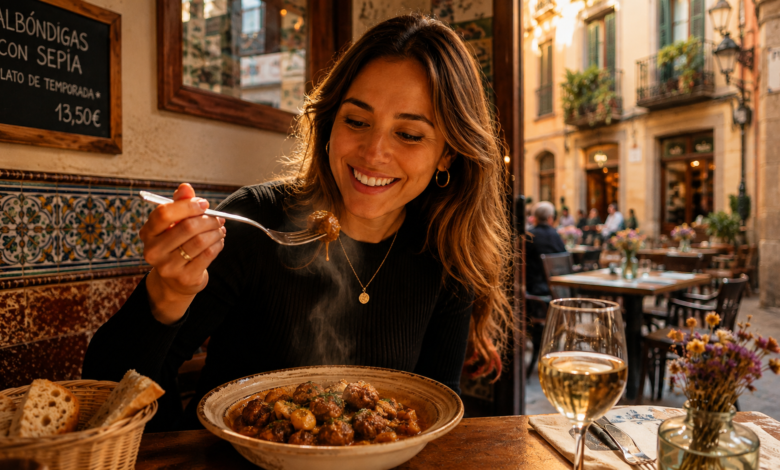
If you have ever typed “best albondigas con sepia near me” into a search bar, you already know the craving is real. That perfect plate of tender meatballs swimming with soft pieces of cuttlefish in a deep, savory sauce hits differently. It is comfort food with a Mediterranean twist, the kind of dish that makes you want to mop up every last drop with crusty bread. This traditional Catalan specialty, often called mandonguilles amb sípia, blends land and sea in one pot. Meat from the mountains meets seafood from the coast, creating the famous mar i muntanya style that Catalans have perfected over generations.
Finding the best albondigas con sepia near me can feel like a treasure hunt depending on where you live. In Barcelona or coastal Catalonia the dish appears on many neighborhood menus. Elsewhere you might need to seek out authentic Spanish or Catalan restaurants, or even decide to cook it yourself. Either way, understanding what makes a great version helps you spot the winners and avoid the bland imitations. This guide walks you through the history, the flavor secrets, how to locate excellent plates nearby, variations worth trying, and everything else you need to satisfy that specific hunger. Related searches like Catalan meatballs with cuttlefish, traditional Spanish albondigas recipe, and mar y montaña dishes will also pop up along the way because they all point to the same delicious world.
The beauty of this dish lies in its balance. Juicy meatballs made from a mix of pork and beef stay moist thanks to breadcrumbs, egg, garlic, and parsley. The cuttlefish, or sepia, adds a mild sweetness and pleasant chew that softens during slow cooking. A sofrito of onion, tomato, and sometimes ñora peppers forms the base, while a final picada of ground almonds, garlic, and parsley thickens the sauce and lifts the flavors. White wine or a splash of brandy often joins the party. When done right, every bite feels rich without being heavy. That is why so many people keep searching for the best albondigas con sepia near me—once you taste a proper version, ordinary meatballs simply will not do.
Understanding the Origins of Albondigas con Sepia
Catalan cuisine has always celebrated the meeting of mountain and sea. Farmers and fishermen shared ingredients across short distances, and cooks learned to combine them in stews that stretch both flavor and resources. Albondigas con sepia emerged from that practical creativity. Meatballs stretched expensive meat while cuttlefish, abundant along the Mediterranean coast, brought affordable protein and texture. Over time the dish settled into home kitchens and neighborhood bars, especially around Barcelona and the Costa Brava.
Historical notes show that similar combinations appear in older Catalan cookbooks, though the exact pairing of meatballs and cuttlefish became especially popular in the twentieth century as urban taverns served hearty midday meals to workers. Grandmothers passed down their versions, each slightly different depending on whether they preferred more tomato, a hint of cinnamon, or extra picada. Today chefs like José Andrés still praise the combination, noting that cooking meatballs with fresh sepia and mushrooms creates deeper flavor than the usual tomato-only sauce. The dish remains a living tradition rather than a museum piece.
You will notice regional accents. In some houses the meatballs include a touch of cinnamon or nutmeg. Others add green peas for brightness or use only pork for richer fat. Cuttlefish may be cut into larger chunks or smaller dice. Yet the core idea stays constant: slow-cooked harmony between meat and seafood. When you hunt for the best albondigas con sepia near me, look for places that treat the dish with respect rather than as an afterthought. Authentic versions rarely rush the cooking time. The sauce needs patience to develop its full character.
What Makes a Truly Great Plate of Albondigas con Sepia
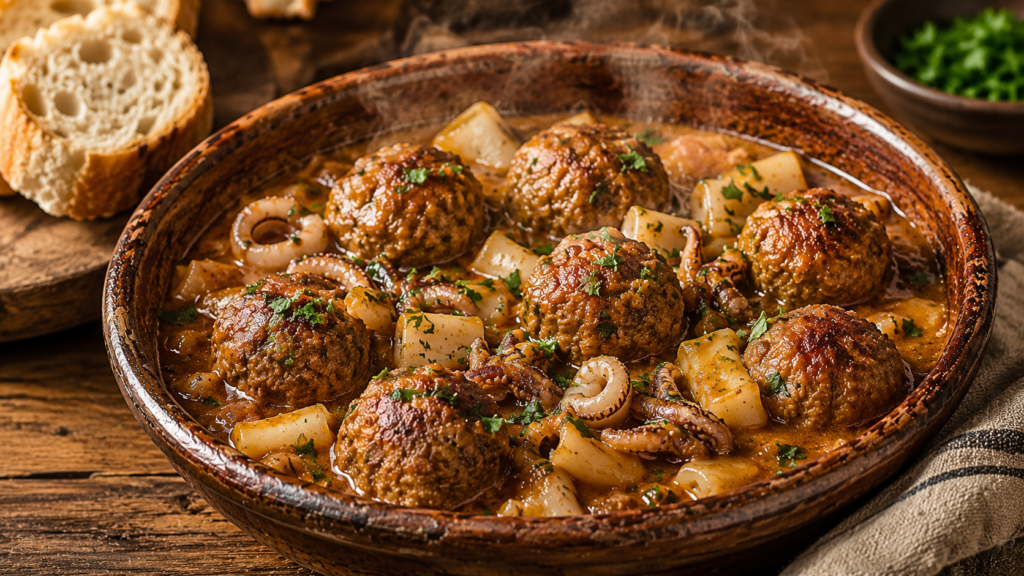
Quality starts with the ingredients. Fresh or high-quality frozen cuttlefish matters more than you might expect. Poorly cleaned sepia can taste muddy or turn rubbery. Good cooks remove the skin and any tough membrane so the pieces become tender after simmering. For the meatballs, a mix of roughly equal parts pork and beef with some fat keeps them juicy. Lean meat alone often produces dry results. Bread soaked in milk or plain breadcrumbs, a fresh egg, minced garlic, and chopped parsley bind everything without making the texture heavy.
The sauce separates ordinary plates from memorable ones. A proper sofrito begins with slowly cooked onion until it turns sweet and translucent. Tomato follows, along with garlic and sometimes a bit of ñora pepper paste for gentle heat and color. White wine deglazes the pan and lifts the fond. Then the cuttlefish and meatballs join, along with just enough stock or water to create a sauce that coats rather than floods. Near the end, the picada—toasted almonds or hazelnuts pounded with garlic and parsley—goes in. This final step thickens the liquid and adds nutty depth that ties land and sea together.
Texture and balance complete the picture. Meatballs should yield easily to a fork yet hold their shape. Cuttlefish should offer a gentle bite without toughness. The sauce needs enough body to cling to bread yet stay bright enough that the dish never feels greasy. Seasoning stays restrained so the natural flavors shine. When these elements line up, you understand why people keep searching for the best albondigas con sepia near me. One excellent plate can redefine what you expect from a simple stew.
How to Find the Best Albondigas con Sepia Near Me
Location changes everything. In Barcelona neighborhoods such as Poblenou, the Gothic Quarter, or Sants, traditional bars and restaurants often feature the dish on weekday menus. Places known for honest Catalan cooking tend to prepare it with care. Outside Catalonia the search becomes more creative. Look for Spanish restaurants that emphasize regional dishes rather than generic tapas lists. Coastal cities with Mediterranean influence sometimes offer solid versions, as do cities with large Spanish communities.
Start with a precise search. Type the full phrase “best albondigas con sepia near me” and also try “mandonguilles amb sípia” or “Catalan meatballs with cuttlefish.” Check recent reviews that mention texture, sauce quality, and authenticity. Photos help too—look for generous pieces of cuttlefish and a sauce that looks glossy rather than watery. Google Maps filters for Spanish or Catalan cuisine can narrow the field. Once you find candidates, call ahead if the menu is not posted online. Many neighborhood spots prepare the dish only on certain days or as a daily special.
If restaurants near you fall short, consider cooking at home. The recipe is forgiving and rewards good ingredients. Local fish markets or well-stocked grocery stores often carry cleaned cuttlefish. Ask the butcher for a mixed grind of pork and beef with moderate fat. Making the dish yourself guarantees freshness and lets you adjust the seasoning to your taste. Either way, the goal remains the same: locating or creating a plate that delivers the classic mar i muntanya experience.
Classic Recipe Approach for Home Cooks
Although every family guards slight variations, a reliable method follows clear steps. Begin by mixing the meatball ingredients until just combined—overworking makes them dense. Form uniform balls, roll them lightly in flour, and brown them gently in olive oil. Set them aside. In the same pan, cook diced onion until soft, add garlic, then tomato and any ñora paste. Deglaze with white wine. Add cleaned cuttlefish cut into bite-size pieces and let it release its liquid. Return the meatballs, add stock or water to barely cover, and simmer gently until the cuttlefish softens and the sauce thickens.
Prepare the picada while the stew cooks. Toast almonds, then pound or blend them with garlic, parsley, and a little fried bread or biscuit if desired. Stir the paste into the pot near the end and cook a few more minutes. Taste and adjust salt and pepper. Rest the dish briefly so flavors settle. Serve with crusty bread, plain rice, or boiled potatoes. The leftovers often taste even better the next day after the sauce has concentrated further.
Home versions allow experimentation. Some cooks add a cinnamon stick during simmering for subtle warmth. Others include green peas in the last ten minutes. A splash of brandy instead of wine changes the aroma. The important point is patience. Rushing the sofrito or boiling the meatballs hard produces tough results. Slow and steady yields the tender texture that makes people search for the best albondigas con sepia near me in the first place.
Variations Worth Exploring
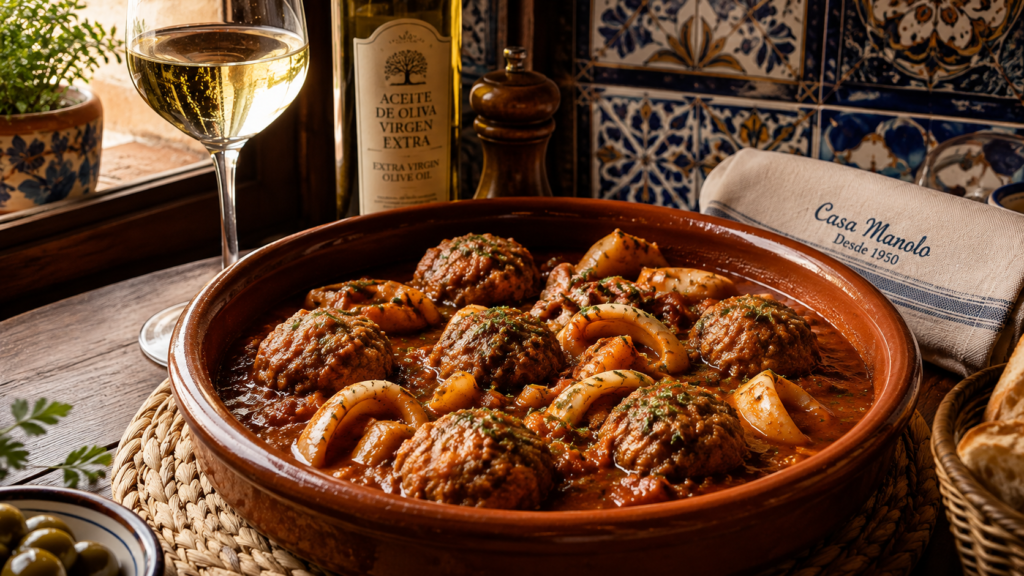
Not every plate looks identical. In some Andalusian interpretations the meatballs themselves contain minced cuttlefish or choco, creating a fully seafood version. Catalan classicists keep the meat separate and let the cuttlefish swim alongside. Chefs sometimes incorporate wild mushrooms for extra umami, following the lead of José Andrés who has publicly favored sepia and setas over plain tomato sauce. Others finish with a touch of chocolate for subtle bitterness, an old Catalan trick that balances richness.
Vegetarian adaptations exist using plant-based meatballs and mushrooms or artichokes in place of cuttlefish, though purists argue the dish loses its soul without the sea element. Gluten-free versions simply swap the breadcrumbs for rice or almond flour. Spicier takes appear in modern kitchens with a pinch of smoked paprika or chili. Each variation still circles back to the same principle: contrast and harmony between different proteins and a well-built sauce.
When tasting around town, notice which style the kitchen prefers. A restaurant that lists “albondigas con sepia de la abuela” or “mandonguilles amb sípia tradicional” usually stays close to the classic. Creative menus may highlight seasonal additions. Both can be excellent if the fundamentals remain solid. Exploring these differences keeps the search for the best albondigas con sepia near me interesting rather than repetitive.
Pairing Ideas and Serving Suggestions
Bread is non-negotiable. A crusty baguette or country loaf soaks up the sauce perfectly. Many Catalans also serve the stew over short-grain rice that absorbs the liquid without turning mushy. Boiled or roasted potatoes work equally well. A simple green salad with a sharp vinaigrette cuts through the richness and refreshes the palate. For wine, a crisp white such as a Catalan xarel·lo or a light red with low tannins complements without overpowering.
In a full meal the dish often appears as a main course after a light starter of tomato bread or grilled vegetables. Leftovers reheat gently on the stove with a splash of water or stock. Some people transform them into a filling for sandwiches the next day, though the classic presentation remains the most satisfying. Temperature matters: serve it hot so the sauce stays fluid and the aromas rise. Cold leftovers lose some of their charm.
Portion size can surprise newcomers. Because the dish is rich, a modest serving of four or five meatballs with plenty of cuttlefish and sauce usually satisfies. Restaurants sometimes offer half portions as a tapa, letting diners sample without commitment. When you finally locate the best albondigas con sepia near me, start with a regular plate and decide if you need more. Most people find one plate enough and still leave wishing for another bite.
Common Mistakes to Avoid When Ordering or Cooking
Dry meatballs rank as the most frequent complaint. They usually result from lean meat, overmixing, or high heat during cooking. Ask or ensure the grind includes fat. Rubbery cuttlefish happens when the pieces cook too long at a hard boil or start out poorly cleaned. Gentle simmering after the initial browning keeps texture pleasant. Watery sauce signals insufficient reduction or missing picada. A good kitchen thickens naturally through time and the final almond paste.
Bland flavor often traces back to a rushed sofrito. Onion needs time to sweeten. Tomato needs concentration. Skipping the wine or the picada leaves the dish one-dimensional. Over-seasoning with salt early can also backfire once the liquid reduces. Taste near the end and adjust carefully. When reviewing restaurants, pay attention to comments about these exact issues. Consistent praise for juicy meatballs, tender sepia, and rich yet balanced sauce points toward a reliable kitchen.
Home cooks sometimes panic and add flour or cornstarch to thicken. The traditional picada does the job more elegantly and adds flavor at the same time. Another trap is using pre-made meatballs from the store. Freshly mixed ones taste noticeably better. Taking a few extra minutes for quality ingredients and patient cooking pays off every time you sit down to eat.
Cultural Significance and Why the Dish Endures
Mar i muntanya cooking reflects Catalonia’s geography and history. Mountains rise close to the sea, so ingredients from both environments have always met in the kitchen. Dishes that combine them express resourcefulness and pleasure rather than scarcity. Albondigas con sepia sits comfortably among other classics such as chicken with prawns or pork feet with langoustines. Each plate tells a quiet story of place.
The dish also carries emotional weight. Many Catalans associate it with Sunday lunches, grandmother’s kitchen, or neighborhood bars where regulars order the same plate for decades. That emotional connection explains why the search for the best albondigas con sepia near me feels personal. People are not only looking for lunch; they are chasing a memory or hoping to create a new one. Chefs who respect the tradition keep the dish alive for the next generation while allowing small personal touches.
In recent years the recipe has traveled beyond Catalonia through cookbooks, television, and social media. José Andrés and other prominent cooks have shared their versions, introducing the combination to wider audiences. Yet the soul of the dish remains local and homemade. That balance between tradition and accessibility keeps it relevant and ensures that new fans continue to seek it out.
Table of Key Ingredients and Their Roles
| Ingredient | Role in the Dish | Tips for Best Results |
|---|---|---|
| Mixed pork and beef | Provides juicy meatballs | Aim for 15-20% fat content |
| Fresh or quality sepia | Adds mild sweetness and texture | Clean thoroughly, cut into even pieces |
| Onion and tomato | Builds the sofrito base | Cook slowly until sweet and concentrated |
| Almonds or hazelnuts | Forms the picada for body and depth | Toast lightly before grinding |
| Garlic and parsley | Brightens both meatballs and sauce | Use fresh for maximum aroma |
| White wine or brandy | Lifts flavors and deglazes the pan | Choose a dry variety you would drink |
| Olive oil | Cooking medium and flavor carrier | Extra virgin preferred for authenticity |
This simple overview helps both cooks and diners understand why certain elements cannot be skipped. When a restaurant or home kitchen treats each component with care, the final plate rises above average.
Quotes from Chefs and Enthusiasts
José Andrés has said, “The best meatballs are not made with tomato alone; they are cooked in the pan with fresh cuttlefish and mushrooms.” His point highlights the power of the sea-and-mountain combination over more common preparations. Another cook noted that resting the meat mixture in the refrigerator before forming the balls produces juicier results because the proteins relax and the breadcrumbs hydrate fully. Home cooks often echo the same sentiment: “Once you taste the real thing with tender sepia and that nutty picada, you never go back to plain tomato sauce.”
These voices remind us that the dish rewards attention to detail. Whether spoken by a Michelin-starred chef or a grandmother in a Barcelona apartment, the advice stays consistent—respect the ingredients and give the sauce time.
Practical Tips for Different Locations
In large cities with diverse dining scenes, Spanish restaurants that focus on regional cooking offer the highest chance of success. Check menus for other Catalan specialties such as escalivada, fricandó, or suquet; their presence often signals an authentic kitchen. In smaller towns the search may lead you to a single family-run place that prepares the dish on weekends. Coastal areas sometimes feature it more regularly because of easier access to fresh cuttlefish.
If nothing local satisfies, frozen cleaned sepia travels well and many online Spanish specialty shops ship high-quality meat mixes or even ready-made picada pastes. Cooking at home then becomes the most reliable path to the best albondigas con sepia near me—because “near me” can simply mean your own kitchen. The process is straightforward enough for a weeknight once you have made it a few times, yet special enough for weekend guests.
Seasonality plays a mild role. Fresh cuttlefish peaks in certain months, but good frozen product works year-round. Meat quality remains more constant. Focus on sourcing rather than calendar when planning your next plate.
Expanding Your Knowledge of Related Dishes
Once you fall for albondigas con sepia, other mar i muntanya plates become irresistible. Chicken with crayfish, rabbit with prawns, or pork ribs with cuttlefish all follow the same logic of contrast. Exploring them deepens appreciation for Catalan cooking as a whole. You may also discover purely seafood meatballs made from minced fish or pure meat versions with different sauces. Each variation teaches something new about texture and balance.
Reading traditional Catalan cookbooks or watching videos from home cooks further refines technique. Notice how slowly the onion cooks, how gently the meatballs brown, and how the picada goes in at the last moment. These small observations separate good results from great ones. The more you understand the family of dishes, the better you become at spotting excellence when searching for the best albondigas con sepia near me.
Conclusion
The quest for the best albondigas con sepia near me ends when you find a plate that balances juicy meatballs, tender cuttlefish, and a deeply flavored sauce thickened with that essential picada. Whether the discovery happens in a Barcelona bar, a local Spanish restaurant, or your own kitchen, the reward is the same: a comforting, complex dish that celebrates the meeting of land and sea. Take time to seek quality ingredients, respect the slow cooking process, and pay attention to texture. Once you experience a well-made version, ordinary meatballs lose their appeal and the search becomes a happy ongoing habit. Enjoy every spoonful and every piece of bread used to chase the last of the sauce.
What exactly is albondigas con sepia?
Albondigas con sepia is a traditional Catalan stew that pairs homemade meatballs, usually a mix of pork and beef, with pieces of cuttlefish in a rich tomato-based sauce finished with a ground almond and garlic paste called picada. It belongs to the mar i muntanya family of dishes that combine ingredients from the mountains and the sea. The result is a hearty yet balanced plate full of depth and contrast.
Why do people search for the best albondigas con sepia near me?
The dish delivers a unique combination of flavors and textures that is hard to find outside authentic Catalan or Spanish kitchens. Once someone tastes a properly made version with tender cuttlefish and juicy meatballs in a nutty, savory sauce, they naturally want to locate more of the same quality close to home. The search reflects both appetite and curiosity about regional cooking.
Can I make authentic albondigas con sepia at home?
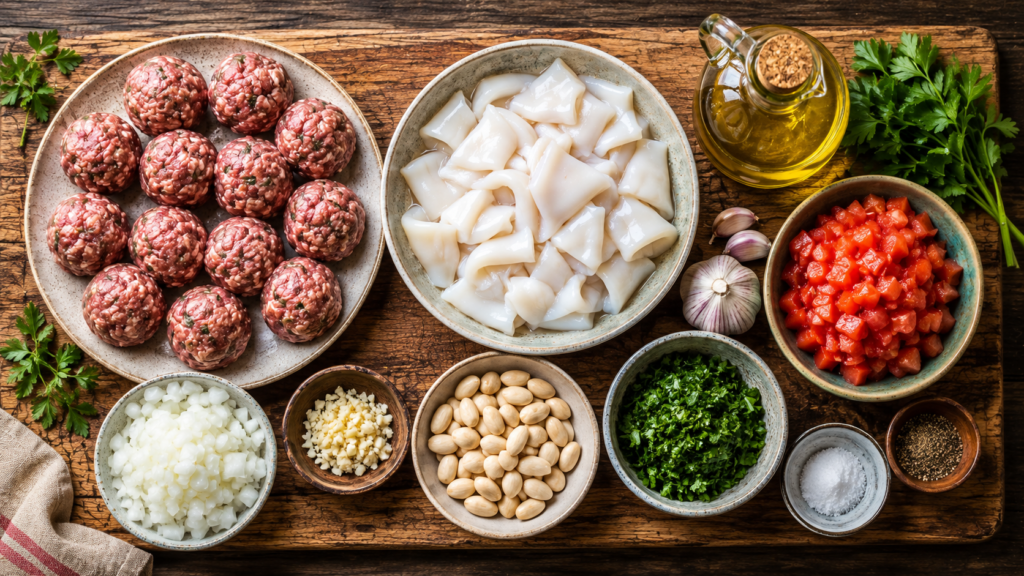
Yes, the recipe is approachable for home cooks. Focus on a good meat mix with some fat, properly cleaned cuttlefish, a patient sofrito, and a final picada of almonds, garlic, and parsley. Slow simmering produces the classic texture. Many detailed recipes exist online and in Catalan cookbooks that guide you through each step with clear timing and tips.
How can I tell if a restaurant version is high quality?
Look for meatballs that stay moist rather than dry, cuttlefish that is tender instead of rubbery, and a sauce that coats the ingredients without being watery or overly thick. Recent reviews mentioning authenticity, sauce quality, and the presence of picada are helpful signals. Photos showing generous pieces of sepia also indicate care in preparation.
Are there vegetarian or gluten-free versions of this dish?
Creative cooks adapt the concept using plant-based meatballs and mushrooms or other vegetables in place of cuttlefish, though the traditional character changes. For gluten-free needs, replace breadcrumbs with almond flour or rice crumbs and ensure the thickening comes only from the nut-based picada. The core idea of balanced proteins and a flavorful sauce still works.