Finding the best curry near me can turn an ordinary evening into something special. Whether you are craving a rich, creamy butter chicken, a fiery Thai green curry, or a fragrant Japanese katsu version, the right local spot makes all the difference. This guide walks you through everything you need to know so you can locate exceptional curry without the usual guesswork.
People search for the best curry near me because they want convenience paired with quality. No one wants to drive across town only to end up with bland sauce or overcooked protein. The good news is that most cities and even many smaller towns now offer solid options if you know how to evaluate them. In the sections that follow, we cover practical methods, key quality markers, popular styles, and real-world advice drawn from years of tasting and comparing dishes.
Understanding What Makes Curry Truly Great
Great curry balances spice, aroma, texture, and depth of flavor in a way that feels complete. The base often starts with a carefully cooked blend of onions, garlic, ginger, and spices that form the foundation. From there, the protein or vegetables absorb those flavors while the sauce thickens to the right consistency. When these elements come together, the result is a dish that feels both comforting and exciting.
Many people assume heat is the only measure of quality, but that is only part of the story. A well-made mild curry can be just as memorable as a spicy one when the spices are layered correctly and the ingredients taste fresh. Look for places that toast their whole spices, use good-quality oils or ghee, and avoid shortcuts like heavy cream as a substitute for proper technique. These details separate average restaurant curry from the kind that keeps you coming back.
Different Styles of Curry You Might Find Locally
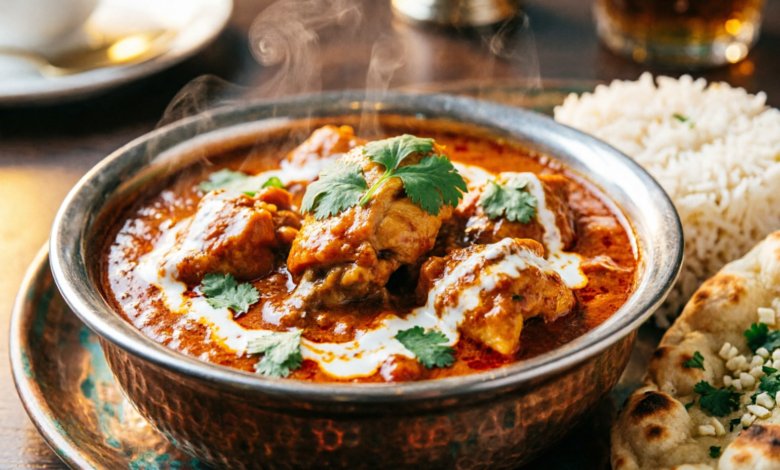
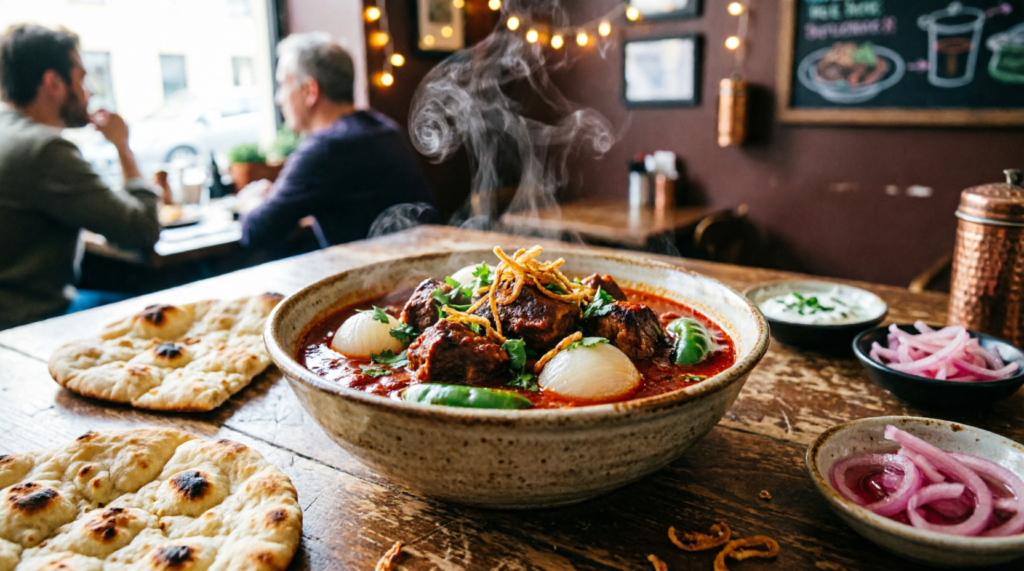
Indian-style curries remain the most common request when people look for the best curry near me. Butter chicken, tikka masala, lamb rogan josh, and vegetable korma appear on countless menus. These dishes typically feature tomato or yogurt-based sauces with warm spices such as cumin, coriander, turmeric, and garam masala. Regional differences within India itself create wide variety, from the coconut-heavy dishes of the south to the richer, creamier northern styles.
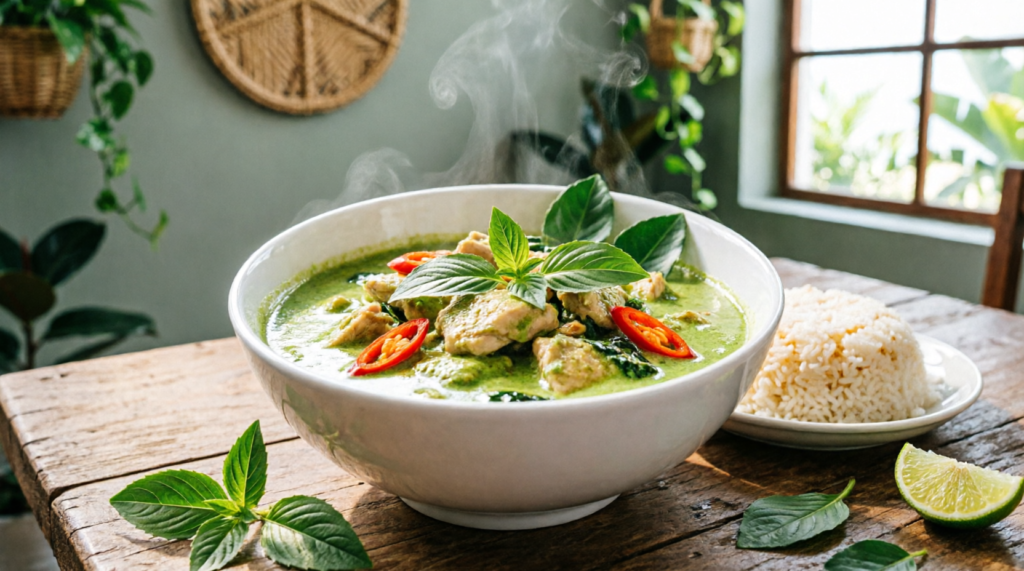
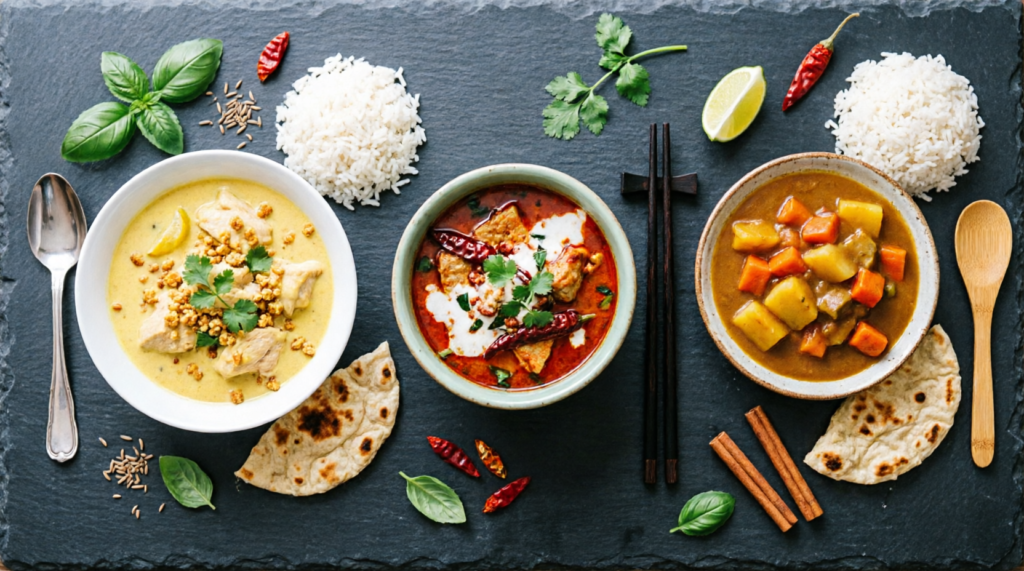
Thai curries bring a different personality. Green, red, and yellow pastes deliver bright heat balanced by coconut milk, lime leaves, and fresh herbs. The texture tends to be thinner and more aromatic than many Indian versions. Japanese curry, often milder and slightly sweet, uses a roux base and pairs beautifully with rice or breaded cutlets. Malaysian, Caribbean, and even fusion styles appear more frequently now, giving diners wider choices than ever before. Knowing these differences helps you match your craving to the right kitchen.
How to Search Effectively for Quality Options
Start with a simple Google search using the phrase best curry near me and then refine it with additional words such as “Indian,” “Thai,” or “authentic.” Map results show distance, ratings, and current wait times. Pay attention to the most recent reviews rather than overall scores alone, because kitchens can change chefs or ownership. Photos uploaded by customers often reveal more about portion size and presentation than professional marketing shots.
Apps such as Yelp, TripAdvisor, and specialized food platforms add another layer of detail. Filter by price range, open now, or dietary needs if that matters to you. Local Facebook groups and neighborhood forums sometimes surface hidden gems that do not rank high on the big platforms. Combining these sources gives a clearer picture than relying on any single result list.
Key Factors That Separate Good Curry from Great Curry
Freshness of ingredients stands at the top of the list. Spices lose potency over time, so places that grind or toast them frequently produce brighter flavor. The quality of the protein also matters. Tough, overcooked chicken or dry lamb ruins even a well-seasoned sauce. Vegetables should retain some texture rather than turning to mush.
Balance is another critical element. The sauce needs enough fat and acidity to carry the spices without feeling greasy or one-note. Many excellent spots finish dishes with a touch of fresh cilantro, a squeeze of lime, or a swirl of cream only when the recipe calls for it. Consistency across visits is equally important. A restaurant that delivers the same high standard on a Tuesday night as on a busy Saturday is worth supporting.
Reading Reviews with a Critical Eye
Reviews can guide you toward the best curry near me, yet they require careful interpretation. Look for specific comments about spice level, sauce thickness, and whether the dish arrived hot. Mentions of particular menu items that consistently receive praise carry more weight than vague statements such as “great food.” Repeated complaints about slow service or cold plates should raise caution flags.
Photos help verify claims. If multiple diners post images of vibrant, glossy sauce coating the protein properly, that is a positive sign. Be wary of reviews that focus only on price or location without describing the taste. The most useful feedback usually comes from people who have tried several dishes at the same restaurant and can compare them.
Popular Curry Dishes Worth Seeking Out
Butter chicken remains a gateway dish for many newcomers and a comfort classic for regulars. The mild tomato-cream sauce pairs well with naan or rice. For those who prefer more heat, vindaloo or Madras styles deliver deeper spice. Lamb saag combines spinach and tender meat in a way that feels both hearty and fresh.
Thai green curry with chicken or shrimp offers a lighter, more herbal profile. Massaman curry brings a richer, peanut-influenced character that works especially well with beef. Japanese curry rice, sometimes topped with a crispy cutlet, provides a milder, slightly sweet alternative that appeals to a wide range of diners. Exploring these options expands your idea of what the best curry near me can look like.
The Role of Spice Level and Customization
Most good restaurants adjust heat according to preference. Mild, medium, and hot are common starting points, but experienced kitchens can fine-tune further. Some places offer a separate spice scale or ask how adventurous you feel. Communicating clearly about your tolerance prevents disappointment and lets the kitchen showcase their skill at the right intensity.
Customization extends beyond heat. Many spots happily accommodate requests for extra vegetables, less oil, or dairy-free preparations. Asking about these options early in the ordering process often leads to a more satisfying meal. Places that treat such requests as normal rather than inconvenient tend to care more about the overall dining experience.
Comparing Takeout, Delivery, and Dine-In Experiences
Dine-in allows you to experience the full atmosphere and receive dishes at peak temperature. The sauce stays properly emulsified, and bread arrives warm. Takeout works well when the restaurant packages carefully and the travel time stays short. Delivery introduces more variables related to timing and packaging quality.
Some kitchens excel at packaging for transport, using containers that keep components separate until you combine them at home. Others recommend specific dishes that travel better than others. Reading recent comments about delivery experiences helps set realistic expectations. For the absolute best curry near me experience, eating on-site often remains the preferred route when schedules allow.
Regional Variations Across Different Cities and Towns
Larger metropolitan areas usually offer the widest range of styles and price points. You might find highly specialized regional Indian restaurants alongside Thai and Japanese specialists. Smaller towns often feature one or two reliable spots that have refined their recipes over years of serving local customers. These places can produce outstanding results even without the volume of a big-city kitchen.
Immigrant communities frequently shape the local curry scene. Areas with significant South Asian, Southeast Asian, or Caribbean populations tend to support more authentic preparations. Exploring neighborhoods beyond the main commercial strips sometimes reveals the strongest options. Local knowledge shared through word of mouth still plays a valuable role.
Price Ranges and Value Considerations
Curry can fit a range of budgets. Casual counter-service spots and lunch specials often deliver excellent value. Mid-range restaurants typically charge more for larger portions, better ingredients, and a more polished setting. High-end tasting menus or specialty places sit at the top of the scale.
Value depends on more than the number on the bill. A slightly more expensive dish that uses quality meat, fresh spices, and proper technique frequently satisfies more than a cheaper alternative that relies on shortcuts. Portion size, accompanying bread or rice, and overall flavor intensity all factor into the final judgment. Tracking what you receive for the price helps identify the strongest long-term choices.
Dietary Preferences and Special Requests
Vegetarian and vegan options have expanded significantly. Many traditional recipes already center on vegetables, lentils, or paneer. Coconut milk or other plant-based alternatives can replace dairy in numerous dishes. Gluten-free diners often find rice-based meals straightforward, though they should confirm the contents of spice blends and breads.
Allergy awareness has improved in many kitchens. Clear communication about nuts, dairy, or other concerns allows staff to guide you toward safe choices. Places that train their teams to handle these questions thoughtfully demonstrate a higher level of care. Building a relationship with a few trusted restaurants makes future orders easier and more reliable.
Building Your Own Mental Map of Local Favorites
After trying several places, patterns emerge. One restaurant might excel at creamy northern Indian dishes while another shines with fiery southern or Thai preparations. Noting these strengths helps when different moods or group preferences arise. Keeping a simple mental or written list of reliable spots saves time on future searches for the best curry near me.
Returning to the same kitchens also allows you to notice consistency or seasonal changes. Chefs sometimes introduce specials based on available ingredients or personal inspiration. Regular visits create opportunities to try these limited offerings and deepen your appreciation for the craft.
Common Mistakes When Searching for Great Curry
Relying solely on the highest star rating can lead you astray. A restaurant with many average scores may outperform one with a perfect but tiny sample size. Ignoring recent reviews is another frequent error, because staff turnover and recipe changes happen. Focusing only on the most popular dish sometimes means missing stronger items further down the menu.
Assuming every place that serves rice and sauce produces comparable quality overlooks important differences in technique and ingredient sourcing. Taking a little extra time to cross-check sources and read detailed comments usually pays off in better meals.
The Importance of Atmosphere and Service
While the food remains the main event, the surrounding experience influences overall satisfaction. Clean, well-lit spaces with comfortable seating make the meal more enjoyable. Attentive yet unobtrusive service helps the evening flow smoothly. Knowledgeable staff who can explain dishes or suggest pairings add genuine value.
Some diners prefer lively, bustling rooms; others seek quieter corners. Matching the atmosphere to your mood or group size improves the outing. Places that balance good food with thoughtful hospitality tend to earn lasting loyalty.
Pairing Suggestions That Elevate the Meal
Naan, roti, or steamed rice serve as the classic companions. Different breads absorb sauce in distinct ways and offer textural contrast. A simple cucumber raita or fresh salad can cool the palate between bites of spicier dishes. Certain beverages, from mango lassi to carefully chosen beers or wines, complement the spice profiles.
Trying a shared appetizer such as samosas or satay skewers sets a pleasant tone. Ending with a light dessert or simply lingering over the last of the sauce creates a more complete experience. These small additions often turn a good meal into a memorable one.
How Local Chefs Approach Authenticity and Innovation
Many chefs trained in traditional techniques still adapt recipes to local ingredients and customer preferences. This balance between respect for origins and practical creativity produces some of the most interesting results. A few places stay strictly classical, while others experiment with fusion elements or unexpected proteins.
Both approaches can succeed when executed with care. The key lies in intention and skill rather than rigid rules. Diners benefit from trying a range of philosophies and deciding which styles resonate most strongly with their own tastes.
Seasonal and Special Menu Opportunities
Some restaurants rotate dishes based on the time of year or festival calendars. Festival menus during Diwali, Thai New Year, or other celebrations often feature special preparations. Limited-time specials using peak-season produce or seafood can highlight a kitchen’s flexibility and creativity.
Checking a restaurant’s social media or website before visiting sometimes reveals these opportunities. Arriving during slower midweek periods can also improve the chance of trying something newly developed or receiving more personalized attention from the staff.
Practical Tips for First-Time Visitors
Call ahead if you have specific dietary needs or want to confirm current wait times. Arriving slightly before peak hours often results in a more relaxed experience and fresher dishes. Asking the server for recommendations based on your spice preference and favorite proteins usually leads to better choices than ordering blindly from the menu.
Sharing several dishes among a group allows everyone to sample more variety. This approach works especially well when exploring an unfamiliar restaurant. Taking notes or simply remembering standout items helps guide future visits and recommendations to friends.
Long-Term Benefits of Knowing Reliable Local Spots
Having a short list of trusted places for the best curry near me reduces decision fatigue on busy nights. It also supports independent restaurants that contribute to the character of a neighborhood. Over time, you develop a deeper understanding of different regional styles and personal preferences.
Regular support encourages kitchens to maintain standards and sometimes expand their offerings. The relationship between diners and local restaurants remains mutual. Quality meals and consistent patronage reinforce each other.
A Quick Comparison of Common Curry Styles
Style | Typical Base | Heat Level | Common Proteins | Best Paired With Indian North | Tomato or cream | Mild to medium | Chicken, lamb, paneer | Naan, rice Indian South | Coconut or tamarind | Medium to hot | Seafood, vegetables | Rice, appam Thai Green | Coconut milk and green paste | Medium to hot | Chicken, shrimp, tofu | Jasmine rice Thai Red | Coconut milk and red paste | Medium to hot | Beef, duck, vegetables | Jasmine rice Japanese | Roux and stock | Mild | Chicken, pork cutlet | Short-grain rice Caribbean | Scotch bonnet and spices | Hot | Goat, chicken | Rice and peas
This table offers a simple starting point for matching preferences to available options. Individual restaurants interpret these styles differently, so tasting remains the best way to form personal rankings.
Insights from Frequent Diners and Kitchen Professionals
One longtime local diner observed, “The places that stay busy year after year usually get the fundamentals right—fresh spices, proper cooking times, and consistent seasoning. Fancy presentation is nice, but flavor keeps people returning.”
A chef with experience in both Indian and Thai kitchens shared, “Customers who ask questions and describe what they like help us cook better for them. Clear communication about heat and texture preferences makes the whole process more rewarding for everyone.”
These perspectives highlight the value of both careful selection and open dialogue when seeking the best curry near me.
Expanding Your Appreciation Beyond the Plate
Learning a little about the cultural backgrounds of different curry traditions adds another layer of enjoyment. Understanding why certain spices dominate particular regions or how colonial and trade histories shaped modern recipes deepens the experience. Many restaurants display information or host occasional events that share this context.
Home cooking experiments can also sharpen your palate. Attempting simpler recipes helps you recognize skilled technique when you encounter it in restaurants. The combination of dining out and occasional home preparation creates a richer relationship with the cuisine.
Planning Group Meals and Special Occasions
Curry works well for shared tables because many dishes suit family-style serving. Ordering a mix of mild and spicier options accommodates varied preferences within a group. Confirming reservation policies and group-friendly seating in advance prevents last-minute stress.
For celebrations, some restaurants offer set menus or larger platters that simplify ordering. Discussing the occasion with the staff sometimes leads to thoughtful suggestions or small extras that enhance the gathering.
Staying Updated on the Local Scene
Restaurant landscapes change. New openings, closures, and menu revisions occur regularly. Following a few local food accounts or checking updated review platforms keeps your knowledge current. Occasional visits to newer spots expand the list of reliable choices for the best curry near me.
Word of mouth from friends who share similar tastes remains one of the most efficient filters. Trading recommendations creates a useful informal network that complements online research.
Bringing It All Together for Better Decisions
Successful searches combine practical tools with thoughtful evaluation of flavor, consistency, and overall experience. Paying attention to recent feedback, understanding different styles, and communicating preferences clearly all contribute to better outcomes. Over time these habits make locating excellent curry feel almost automatic.
The goal is not perfection on every single visit but a steadily improving ability to identify places that deliver satisfaction. Each meal provides information that refines future choices.
Conclusion
Locating the best curry near me rewards a mix of research, curiosity, and personal taste. By understanding the range of styles, evaluating reviews carefully, and paying attention to freshness and balance, you increase the odds of memorable meals. Supporting consistent local kitchens helps maintain the quality of the scene for everyone. Whether you prefer mild creamy sauces or bold spicy ones, the right approach turns a simple craving into a reliable source of enjoyment. Keep exploring, take notes on what works, and enjoy the process of discovering your own favorites.
What should I look for when searching for the best curry near me?
Focus on recent detailed reviews that mention specific dishes, spice balance, and ingredient quality. Check photos for presentation and portion size. Cross-reference Google results with other platforms and local recommendations. Places that maintain consistent praise for freshness and proper cooking technique usually deliver the strongest results.
How spicy is typical restaurant curry and can I adjust the heat?
Spice levels vary widely by style and restaurant. Many places offer mild, medium, and hot options and will further customize on request. Communicating your preference clearly when ordering helps the kitchen match your tolerance. Thai and certain southern Indian styles often run hotter than milder northern Indian or Japanese versions.
Are there good vegetarian or vegan options for the best curry near me?
Yes. Many traditional recipes already center on vegetables, lentils, chickpeas, or paneer. Coconut milk frequently replaces dairy in Thai and some Indian preparations. Confirming preparation methods with the staff ensures the dish meets your requirements. The range of plant-based choices continues to expand in most areas.
Is takeout or delivery as good as dining in for curry?
Dine-in generally preserves temperature and texture best. Quality takeout and delivery depend on packaging and travel time. Some restaurants design certain dishes to travel well. Reading recent comments about packaging and arrival condition helps set expectations. For the absolute peak experience, eating on-site remains preferable when possible.
How often should I try new places versus returning to favorites?
A balanced approach works well. Returning to reliable spots ensures consistent satisfaction, while occasional exploration of new openings or highly rated alternatives expands your options. Tracking what you enjoy at each location gradually builds a personal shortlist of the best curry near me options that suit different moods and group sizes.