Diane von Furstenberg and Jake Gyllenhaal: Parallel Paths of Fame, Creativity, and Influence

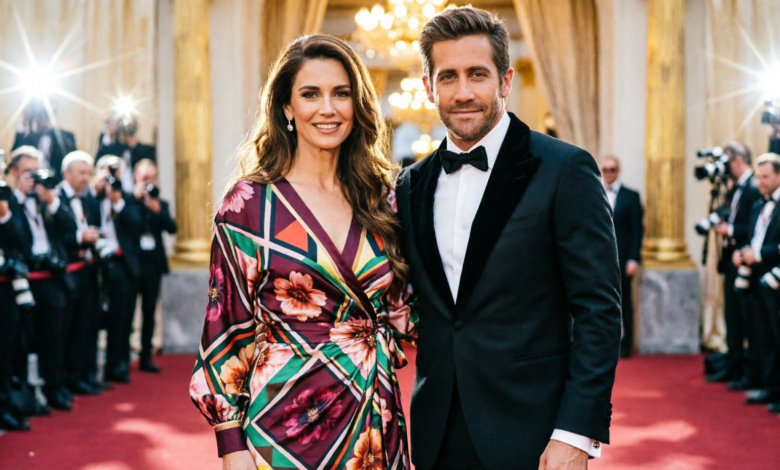
When people search for Diane von Furstenberg and Jake Gyllenhaal together, they often find themselves drawn into two very different yet equally compelling stories of success, resilience, and cultural impact. One is a Belgian-born fashion designer who turned a simple wrap dress into a global symbol of feminine power and freedom. The other is an American actor whose intense, transformative performances have earned critical acclaim and a devoted following for more than three decades. Although their professional worlds of high fashion and Hollywood film rarely overlap directly, both have shaped modern ideas of style, authenticity, and personal reinvention in ways that keep audiences intrigued.
Diane von Furstenberg built an empire around clothes that empower women to feel confident and free. Jake Gyllenhaal has built a career by disappearing into complex characters that challenge audiences emotionally and intellectually. Looking at Diane von Furstenberg and Jake Gyllenhaal side by side reveals interesting contrasts and unexpected similarities in how fame, family, and creative drive play out across different creative industries. Their individual journeys offer plenty of insight into what it takes to stay relevant for decades while staying true to a personal vision.
This exploration digs into their early lives, rise to prominence, personal relationships, cultural footprints, and the quieter ways their stories sometimes brush against the broader worlds of celebrity, design, and performance. Whether you arrived here curious about a possible connection or simply interested in two standout figures, the details that follow paint a rich picture of ambition, reinvention, and lasting influence.
Early Lives and Formative Influences That Shaped Their Paths
Diane von Furstenberg was born Diane Simone Michele Halfin in Brussels on December 31, 1946. Her mother, Liliane Nahmias, was a Holocaust survivor who had endured Auschwitz and a death march. Doctors warned that the trauma made pregnancy dangerous, yet Liliane went on to give birth to Diane just eighteen months after liberation. That origin story became central to Diane’s identity. She has often spoken about how her mother’s survival and determination gave her an unshakable sense of purpose and a belief that life itself is a form of victory.
Growing up in a Jewish family that had rebuilt itself after unimaginable loss, Diane absorbed lessons about resilience and independence early. She studied economics at the University of Geneva, where she met Prince Egon von Fürstenberg. Their 1969 marriage introduced her to European aristocracy and the international jet set, yet she refused to become defined solely by that title. Even as a young princess, she was already sketching designs and thinking about how clothing could give women agency.
Jake Gyllenhaal entered the world on December 19, 1980, in Los Angeles, into a family already deep in the entertainment industry. His father, Stephen Gyllenhaal, is a film director and poet from a Swedish noble lineage. His mother, Naomi Foner, is an Oscar-nominated screenwriter. Older sister Maggie Gyllenhaal would also become a celebrated actress and later a director. From childhood, Jake was surrounded by creative people and sets. He made his screen debut at age eleven in City Slickers and grew up understanding both the magic and the hard work of storytelling.
Where Diane’s early life was marked by the weight of historical trauma turned into personal strength, Jake’s was shaped by the practical realities of a Hollywood family. Both, however, developed a strong sense of self early on. Diane channeled her mother’s survival into a career that celebrated female independence. Jake absorbed the craft of performance and the importance of emotional honesty from parents who worked in film. Those foundations would prove essential as each stepped into the public eye.
The contrast in their upbringings highlights how different environments can still produce driven creatives. Diane moved through European social circles and New York’s emerging fashion scene. Jake navigated the competitive, image-driven world of Los Angeles acting. Yet both learned to trust their instincts and to treat their work as more than a job. That shared seriousness about craft is one of the quieter threads connecting the public fascination with Diane von Furstenberg and Jake Gyllenhaal.
Building Careers That Redefined Their Fields
Diane von Furstenberg’s breakthrough came in the early 1970s with the wrap dress. The design was practical, flattering, and easy to wear. It allowed women to look polished without the fuss of more complicated garments. By the mid-1970s, the dress had become a phenomenon, selling in huge numbers and appearing on women from office workers to celebrities. Diane had created something that felt modern and liberating at a moment when many women were entering the workforce and seeking clothes that matched their new realities.
Her company faced challenges over the years, including periods of financial difficulty and shifting fashion trends. She adapted by expanding into other categories, embracing television shopping on QVC at a time when that move was considered risky for a high-fashion name, and continually refreshing her brand. Today the Diane von Furstenberg label remains a recognizable force, with stores around the world and a continued focus on empowering women. She has also used her platform for philanthropy, supporting causes related to women’s leadership and education.
Jake Gyllenhaal’s career trajectory followed a different rhythm. After early roles, he gained wider attention with October Sky and especially Donnie Darko. The latter became a cult classic and showed his ability to carry a film with quiet intensity. Brokeback Mountain in 2005 brought him an Academy Award nomination and cemented his reputation as a serious dramatic actor. Subsequent performances in films such as Zodiac, Nightcrawler, Southpaw, and Stronger demonstrated a willingness to transform physically and emotionally for roles.
Unlike actors who settle into a comfortable star persona, Jake has often chosen projects that demand risk. He has moved between big studio films and smaller, character-driven work, and he has returned to the stage as well. His approach emphasizes preparation and immersion. Directors and co-stars frequently comment on his commitment. That dedication has earned him respect across the industry even when individual films vary in commercial success.
Both figures have shown an ability to evolve. Diane reinvented her business multiple times while staying true to the spirit of the wrap dress. Jake has reinvented himself with nearly every major role, avoiding typecasting. In different arenas, Diane von Furstenberg and Jake Gyllenhaal illustrate how sustained relevance often comes from a combination of talent, adaptability, and a clear personal vision.
Personal Lives, Relationships, and the Public Gaze
Diane von Furstenberg’s personal life has been as colorful as her designs. Her marriage to Prince Egon von Fürstenberg produced two children, Alexander and Tatiana, but the couple separated in the early 1970s and later divorced. She has spoken openly about living freely during those years, pursuing relationships and experiences on her own terms. In 2001 she married media executive Barry Diller, a partnership that has lasted more than two decades and continues to intrigue observers. The couple has described their bond as deep and multifaceted, defying easy labels.
Family remains important to her. She is a grandmother and has involved the next generation in aspects of the brand. Her public image blends glamour with a certain unapologetic honesty. She has never pretended to be conventional, and that authenticity has become part of her appeal.
Jake Gyllenhaal has kept a lower profile in his private life compared with some of his peers. He has been linked over the years to several well-known women, including Kirsten Dunst, Reese Witherspoon, and Taylor Swift. Since late 2018 he has been in a relationship with French model Jeanne Cadieu. The pair have appeared together occasionally at events but largely avoid the constant spotlight. Jake has spoken about valuing privacy and about the importance of genuine connection after years of intense career focus.
His family ties remain strong. He has collaborated with and supported his sister Maggie, and he has spoken thoughtfully about his parents’ divorce and the honesty it eventually brought. Like Diane, he appears to prioritize meaningful relationships over public performance of romance.
The public’s interest in the private lives of Diane von Furstenberg and Jake Gyllenhaal reflects a broader cultural habit of looking for narrative in celebrity. Fans and media often search for connections or parallels even when the two figures occupy largely separate spheres. What stands out in both cases is a preference for substance over spectacle once the cameras are off.
Cultural Impact and Lasting Legacies
Diane von Furstenberg’s cultural contribution extends far beyond clothing. The wrap dress became a shorthand for a certain kind of confident, independent woman. It appeared in offices, on red carpets, and in everyday life. Her brand’s emphasis on prints, color, and wearability helped shape how many women thought about getting dressed. Beyond fashion, she has used her influence to advocate for women’s causes and to mentor younger designers and entrepreneurs. Documentaries and profiles continue to explore her story, underscoring its resonance across generations.
Jake Gyllenhaal’s impact lives in the performances that stay with viewers. Roles that demand physical transformation or deep psychological exploration have expanded the range of what leading men can do on screen. His work has contributed to conversations about masculinity, vulnerability, and the cost of ambition. Younger actors often cite his commitment as an example. Outside of acting, he has supported various social and environmental causes, though he tends to do so without seeking the spotlight.
When considered together, Diane von Furstenberg and Jake Gyllenhaal represent different facets of contemporary cultural power. One built an accessible yet aspirational brand that helped redefine everyday elegance. The other has used the screen to probe complicated human experiences with rare intensity. Their legacies rest less on any single collaboration and more on the consistent quality and integrity of their work.
Shared Themes of Reinvention and Authenticity
One of the most interesting ways to look at Diane von Furstenberg and Jake Gyllenhaal is through the theme of reinvention. Diane has repeatedly refreshed her company and her public presence while holding onto the core idea of clothes that free rather than constrain. She has moved between high fashion and broader retail, between personal storytelling and business leadership. Each chapter has felt like an extension of her original impulse rather than a departure from it.
Jake has reinvented himself with almost every significant role. From the haunted teenager in Donnie Darko to the driven crime photographer in Nightcrawler to the resilient survivor in Stronger, he has avoided settling into one persona. That willingness to disappear into characters has kept his career vital and unpredictable. Authenticity for him seems to mean truthful performance rather than a fixed public image.
Both have also navigated the tension between public expectation and private reality. Diane has spoken candidly about living life on her own terms, including her relationships and her approach to aging. Jake has been more reserved but has made clear that family and personal honesty matter deeply to him. In an era when celebrity can feel relentlessly performative, their relative groundedness stands out.
These shared qualities help explain why searches linking Diane von Furstenberg and Jake Gyllenhaal continue to appear. People are drawn to figures who manage to stay interesting over long periods without losing a sense of self.
Fashion, Film, and Occasional Crossovers in Celebrity Culture
Fashion and film have long influenced each other. Designers dress actors for red carpets and films, while actors bring visibility to brands. Diane von Furstenberg’s clothes have been worn by countless public figures over the decades, and her events have attracted names from entertainment and media. Jake Gyllenhaal has appeared at premieres and awards shows in tailored looks that reflect contemporary menswear, and his longtime partner works in modeling, a field adjacent to fashion.
While there is no widely documented major collaboration or close personal friendship between the two, they move in overlapping social and cultural circles in New York and Los Angeles. High-profile events, charity galas, and industry gatherings occasionally place people from fashion and film in the same rooms. Their individual styles—Diane’s bold prints and ease, Jake’s understated intensity—represent different but complementary approaches to public presentation.
Related keywords such as wrap dress, Brokeback Mountain, Barry Diller, Maggie Gyllenhaal, Jeanne Cadieu, and fashion icon help fill out the broader context in which both figures exist. Understanding those surrounding stories makes the separate achievements of Diane von Furstenberg and Jake Gyllenhaal even clearer.
A Closer Look at Public Perception and Media Narratives
Media coverage of Diane von Furstenberg often emphasizes her entrepreneurial spirit, her glamorous history, and her role as a mentor to women. Profiles frequently return to the wrap dress and her mother’s survival story as foundational elements. Coverage of Jake Gyllenhaal tends to focus on his transformative roles, his privacy, and the intensity he brings to each project. Both have benefited from and occasionally bristled at the narratives the press constructs around them.
Public fascination sometimes seeks unexpected pairings or hidden links. In the case of Diane von Furstenberg and Jake Gyllenhaal, that curiosity may stem simply from their status as long-standing cultural names rather than from any specific joint history. The result is an opportunity to examine two successful creative lives on their own merits while acknowledging the human tendency to look for connections.
Quotes from each figure help humanize the larger stories. Diane has said of her mother’s influence, “Just the fact that I was born was a victory.” That line captures the defiant optimism that runs through her career. Jake has spoken about the value of honesty in both life and work, noting after his parents’ divorce that the experience “allowed me to be more honest with myself.” Those statements reveal people who take their inner lives seriously even while operating in very public fields.
Table of Key Career Milestones
Here is a simple comparison of selected highlights that illustrate the different timelines and achievements of these two figures:
| Year or Period | Diane von Furstenberg | Jake Gyllenhaal |
|---|---|---|
| Early Breakthrough | Launch of the wrap dress in the mid-1970s | Donnie Darko (2001) and growing critical attention |
| Major Recognition | Building a global brand and becoming a fashion industry leader | Academy Award nomination for Brokeback Mountain (2005) |
| Adaptation and Growth | Expansion into retail, QVC, and later brand revitalization | Physically transformative roles in Nightcrawler and Southpaw |
| Ongoing Influence | Philanthropy, mentoring, and continued design presence | Stage work, producing, and selective film choices |
| Personal Milestone | Marriage to Barry Diller in 2001 | Long-term relationship with Jeanne Cadieu beginning 2018 |
This table is not exhaustive, yet it shows how each has sustained a career through different strategies of growth and reinvention.
Why Their Stories Continue to Resonate
Audiences return to Diane von Furstenberg’s story because it combines fairy-tale elements with hard-won independence. The princess who became a self-made designer offers a modern myth of agency. People return to Jake Gyllenhaal’s work because his performances feel lived-in and emotionally precise. In an age of polished celebrity images, both project a sense of substance.
Looking at Diane von Furstenberg and Jake Gyllenhaal together encourages reflection on what success looks like across creative fields. It is rarely linear. It often involves risk, periods of uncertainty, and a willingness to redefine oneself. Their careers also demonstrate the value of surrounding oneself with talented collaborators while retaining a strong personal center.
Related search terms such as fashion designer wrap dress, actor transformative roles, celebrity relationships, and cultural icons frequently appear alongside discussions of either figure. Those secondary keywords help situate their individual achievements within larger conversations about style, performance, and public life.
Conclusion
The lives of Diane von Furstenberg and Jake Gyllenhaal offer rich material for anyone interested in creativity, resilience, and the long arc of a public career. One transformed women’s wardrobes and built a brand rooted in empowerment. The other has repeatedly transformed himself on screen, delivering performances that linger in the mind. Although their paths have not crossed in any major documented collaboration, the parallel examination of their stories reveals shared values of authenticity, reinvention, and purposeful work.
In the end, the enduring interest in Diane von Furstenberg and Jake Gyllenhaal speaks to a simple truth: audiences are drawn to people who make something lasting. Whether that something is a dress that makes a woman feel powerful or a performance that makes a viewer feel deeply, the impact is real. Their separate achievements continue to inspire, and the curiosity that brings their names together only underscores how much both have contributed to the cultural landscape.
What is the connection between Diane von Furstenberg and Jake Gyllenhaal?
There is no widely documented close personal or professional partnership between Diane von Furstenberg and Jake Gyllenhaal. They are prominent figures in fashion and film respectively, and public interest sometimes links well-known names. Their stories are best appreciated side by side as examples of sustained creative success rather than as a joint narrative.
Have Diane von Furstenberg and Jake Gyllenhaal ever collaborated on a project?
No major fashion or film collaboration between Diane von Furstenberg and Jake Gyllenhaal has been reported. Diane’s brand has dressed many public figures over the years, and Jake has attended industry events, but nothing indicates a formal joint project. Their influence remains strongest within their individual fields.
Why do people search for Diane von Furstenberg and Jake Gyllenhaal together?
Searches for Diane von Furstenberg and Jake Gyllenhaal often arise from general curiosity about celebrities, fashion-film crossovers, or simple name association. Both have maintained high visibility for decades, so algorithms and user interest sometimes surface them in related results. Exploring their separate biographies usually proves more rewarding than hunting for a hidden link.
What are the most famous achievements of Diane von Furstenberg and Jake Gyllenhaal?
Diane von Furstenberg is best known for inventing and popularizing the wrap dress, building a global fashion brand, and advocating for women. Jake Gyllenhaal is celebrated for roles in films such as Brokeback Mountain, Nightcrawler, and Donnie Darko, along with a reputation for intense preparation and range. Each has left a distinct mark on their industry.
How have family backgrounds influenced Diane von Furstenberg and Jake Gyllenhaal?
Diane von Furstenberg has often credited her mother’s Holocaust survival with giving her strength and a sense of purpose. Jake Gyllenhaal grew up in a filmmaking family that provided early exposure to the craft and a model of creative work. Those different foundations helped shape their approaches to career and public life in lasting ways.